

If you’ve ever wandered into a Korean market or foodie neighborhood and come across that intriguing sausage called Sundae, then you’re in for a treat! I’m excited to share with you my hands-on Korean Blood Sausage (Sundae) Recipe that I absolutely love making at home. It’s a bit of a project, sure, but the flavors—and stories—you’ll create are beyond worth it. Plus, once you nail this traditional comfort food, you’ll have a fresh, authentic dish that’ll impress all your friends and family at your next dinner. Ready to dive into the magic behind Korean blood sausage? Let’s get started!
Why You’ll Love This Recipe
- Authentic Flavor Experience: This recipe brings you as close as you can get to homemade Korean street food right in your own kitchen.
- Hands-On and Rewarding: The process is a delightful cooking adventure that’ll make you appreciate the artistry behind this beloved dish.
- Customizable and Fun: Once you know the basics, you can play with seasonings and garnishes to make it totally your own.
- Kid- and Guest-Approved: I’ve made this for my family and friends, and it always receives rave reviews—and they keep coming back for more!

Ingredients You’ll Need
When you’re putting together Korean Blood Sausage (Sundae) Recipe, the ingredients blend beautifully to create a rich, textured filling wrapped in a tender casing. Most of these staples are easy to find, and a bit of prepping goes a long way.
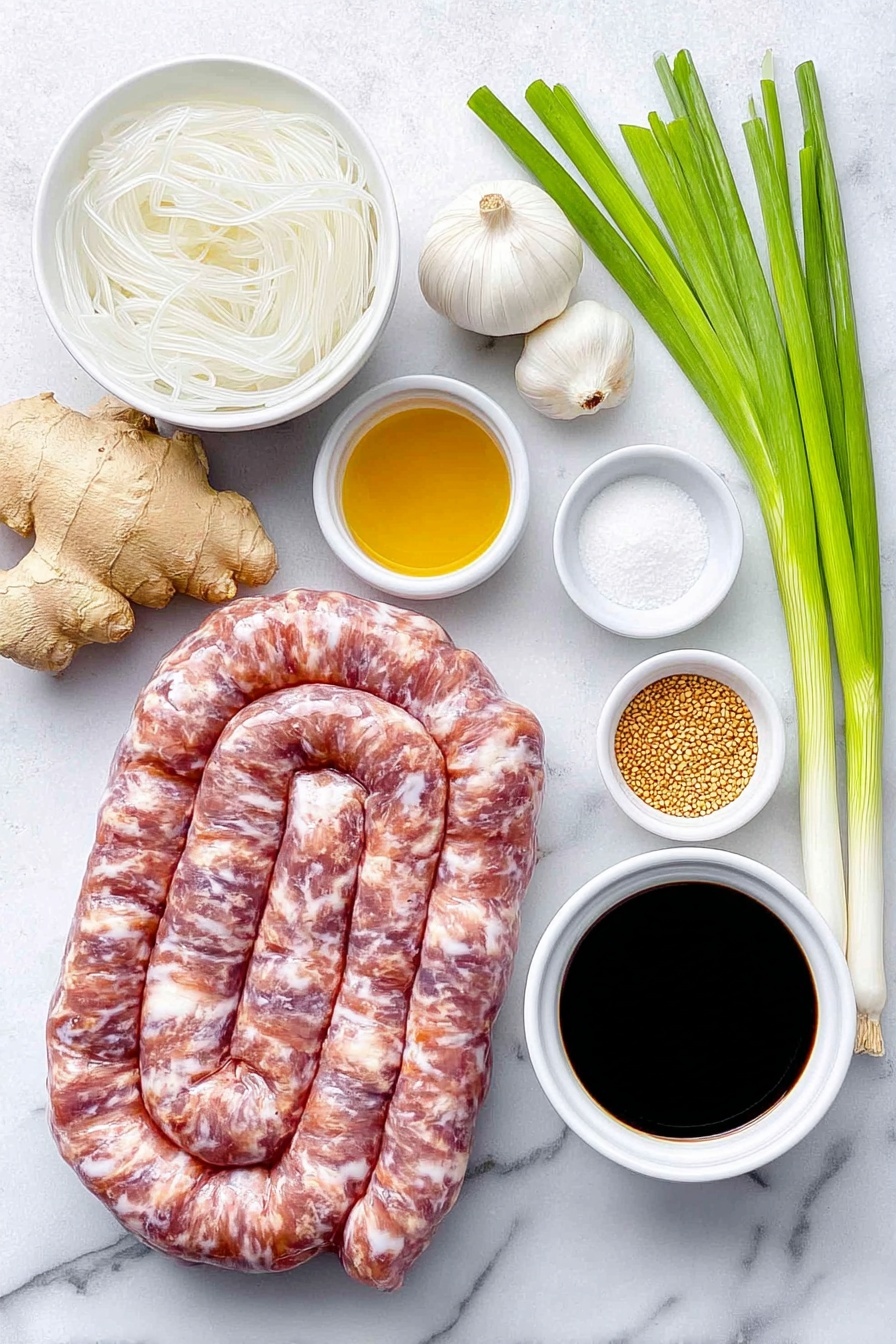
- Pork small intestine: Fresh and thoroughly cleaned is key—this acts as the sausage casing and is where the magic begins.
- Sweet rice: Essential for that chewy, sticky texture that you’ll notice in every bite.
- Sweet potato starch vermicelli: These translucent noodles add a fun texture and soak up flavors wonderfully.
- Garlic cloves: Fresh and minced to give a punch of aroma and depth.
- Fresh ginger: Just a knob will add that subtle warmth and help balance the richness.
- Salt and pepper: Simple seasoning, crucial for bringing everything together.
- Korean toasted sesame oil: A fragrant drizzle that elevates the filling beautifully.
- Sesame seeds: Toasted and crushed for a nutty crunch and flavor boost.
- Scallions: Finely chopped, they add freshness and color.
- Beef or pork blood: This might sound intimidating but it’s essential for the authentic taste and traditional texture of Sundae.
Variations
I love to switch things up with this Korean Blood Sausage (Sundae) Recipe depending on the mood or occasion. And trust me, once you get comfortable with the basics, these variations will keep things exciting!
- Vegetable-Filled Sundae: I once made a batch with finely minced mushrooms and glass noodles alone—my vegetarian friends were surprised by how flavorful and satisfying it was.
- Spicy Kick: Adding a spoonful of gochugaru (Korean red chili powder) to the filling gives it a fiery twist that my husband can’t get enough of.
- Herb Boost: Fresh coriander or minced perilla leaves mixed into the stuffing make for an herbal freshness that’s a delightful change.
- Smaller Snack-Sized Sundae: Perfect for parties—stuff the sausage into mini casings or even banana leaves for bite-sized treats.
How to Make Korean Blood Sausage (Sundae) Recipe
Step 1: Preparing and Cooking the Rice
Start by soaking the sweet rice in water for about 30 minutes until it’s fully hydrated. Rinsing it multiple times until the water runs clear helps remove excess starch, which makes the texture just right. Then, cook it with slightly less water than typical rice—this keeps it firm and sticky, perfect for the stuffing. On the stovetop, I bring it to a boil, then simmer with the lid on for around 45 minutes. The rice will fluff up and cool to just the right consistency.
Step 2: Clean and Prepare the Pork Intestine
This step is crucial—thoroughly washing the pork small intestine ensures a pleasant texture and taste. I like using slightly warm water to rinse it from one end and gently squeeze it through the other, removing any residue. After a cold water rinse, soaking it in a mild saltwater solution softens it and helps eliminate any lingering odor. You can divide the intestine into manageable 1-foot sections or keep it whole if you’re feeling adventurous. Tie off one end snugly with cotton string—it’s the start of your casing!
Step 3: Prepare the Filling Ingredients
While the rice cools and the intestine soaks, soften the sweet potato starch vermicelli in lukewarm water, then roughly chop them to distribute the texture evenly. Finely chop the scallions and set them aside. Toasting sesame seeds in a dry pan until they’re golden releases their nuttiness—then crush them gently in a mortar and pestle for maximum flavor. Finally, mix garlic, ginger, scallions, toasted sesame seeds, sweet rice, chopped noodles, salt, pepper, Korean toasted sesame oil, and, of course, the beef or pork blood into one large bowl to make your rich, savory stuffing.
Step 4: Stuff the Intestine with Filling
Using a funnel or sausage stuffing machine, gently fill each section of intestine. I recommend stuffing lightly—you’ll want some give because overpacking can cause cracking during cooking. Once filled, tie off the open ends with cotton string to keep everything snug and secure. Taking your time here makes all the difference between a perfect sausage and a burst one!
Step 5: Cook the Sundae Low and Slow
Place the stuffed sausages in a pot and cover them with salted water (roughly 1 teaspoon salt per quart of water). Bring the water to a boil, then reduce the heat and simmer uncovered for about 45 minutes to an hour. The key is gentle simmering, not a rolling boil, to prevent the sausages from bursting. To check doneness, poke with a toothpick—it should come out clean when the sundae is perfectly cooked. Remove from heat and let cool slightly before slicing.
Pro Tips for Making Korean Blood Sausage (Sundae) Recipe
- Intestine Cleaning Matters: Taking your time to rinse and soak the intestines properly eliminates bitterness and ensures a clean, pleasant taste.
- Don’t Pack Too Tight: I learned the hard way that stuffing too firmly causes cracks—make sure your filling’s loose enough to expand slightly when cooking.
- Simmer Low and Slow: Boiling too vigorously bursts your sausages, so a gentle simmer will keep their shape and texture intact.
- Use Fresh Blood: When possible, fresh blood makes a noticeable difference in flavor and authenticity—ask your local butcher or Asian market for availability.
How to Serve Korean Blood Sausage (Sundae) Recipe

Garnishes
I love serving Sundae warm with a simple mix of salt and cracked black pepper right on the side, so each bite is perfectly seasoned to taste. A little dollop of gochujang (Korean chili paste) is my go-to for dipping—it adds a spicy, sweet punch that the sausage needs. Freshly chopped scallions or a sprinkle of sesame seeds on top adds a fresh crunch and gorgeous presentation, too.
Side Dishes
Pair your Korean Blood Sausage with some tangy kimchi or a simple cabbage salad to cut through its richness. My family can’t get enough of it when served alongside a steaming bowl of doenjang jjigae (fermented soybean paste stew) or with crispy fried mandu (dumplings) for a full feast.
Creative Ways to Present
For special occasions, I like to slice the sundae into bite-sized rounds and arrange them beautifully on a wooden platter with colorful garnishes like pickled radishes, shredded seaweed, and wedges of fresh lime. You could even serve it family-style with different dipping sauces for a playful, interactive meal everyone enjoys exploring.
Make Ahead and Storage
Storing Leftovers
Once cooled, I wrap leftovers tightly in plastic wrap or place them in an airtight container and refrigerate for up to 3 days. This keeps the sundae moist and flavorful without drying out. I always recommend reheating gently to preserve texture.
Freezing
If you want to enjoy your Korean Blood Sausage later, freeze the fully cooled sausages in a sealed bag or container. I find wrapping individual portions in parchment paper before freezing helps keep them neat and easy to thaw. They freeze beautifully for up to 2 months.
Reheating
To reheat, I gently steam or pan-fry the slices over medium heat—this brings back the juiciness and keeps the casing pleasantly chewy. Using a microwave is possible, but it can sometimes make the texture tougher, so I try to avoid it when I can.
FAQs
-
What is Korean blood sausage (Sundae) made of?
Sundae is traditionally made by stuffing cleaned pig intestines with a filling of sweet rice, sweet potato starch noodles, garlic, ginger, scallions, sesame oil, sesame seeds, and notably, pork or beef blood. It’s a savory, rich sausage enjoyed widely in Korea as street food and comfort food.
-
Where can I buy ingredients for Korean blood sausage?
Ingredients like pork small intestines and blood are often available at Asian or Korean grocery stores and local butcher shops. Sweet potato starch vermicelli, toasted sesame oil, and gochujang are common in Korean markets and some well-stocked supermarkets.
-
Can I make Korean blood sausage without blood?
While blood is traditional and gives authentic flavor and texture, you can make a blood-free vegetarian-style sundae by substituting with mushrooms and additional vermicelli or vegetables. It won’t taste exactly the same, but it’s a great alternative for dietary needs.
-
How do I know when the sundae is cooked?
Besides cooking time, the easiest way to check is inserting a toothpick or skewer into the sausage—if it comes out clean and the casing holds its shape without splitting, your sundae is perfectly done and ready to enjoy.
Final Thoughts
Making Korean Blood Sausage (Sundae) Recipe for the first time was a revelation for me—it brought me closer to Korean culture and taught me a lot about patience and precision in cooking. Now, it’s become one of those comforting recipes I love sharing with friends because it’s unique, flavorful, and genuinely fun to make. If you’re up for an adventure in your kitchen and want to wow your taste buds, this recipe is absolutely worth trying. Trust me, once you get the hang of it, you’ll be making it again and again, just like I do!
Print
Korean Blood Sausage (Sundae) Recipe
- Prep Time: 45 minutes
- Cook Time: 2 hours
- Total Time: 2 hours 45 minutes
- Yield: 4 to 6 servings 1x
- Category: Main Course
- Method: Boiling
- Cuisine: Korean
Description
Korean Blood Sausage, known as Sundae, is a traditional savory delicacy made by stuffing pork intestines with a flavorful mixture of sweet rice, vermicelli noodles, garlic, ginger, and beef or pork blood. This comforting dish is boiled to perfection and typically served warm with a side of seasoned salt and spicy gochujang sauce for dipping.
Ingredients
Intestine
- 3 feet pork small intestine
For Stuffing
- 2 cups sweet rice
- 1/2 package (6 ounces) sweet potato starch vermicelli
- 3 garlic cloves
- 1 1/8 inch knob of fresh ginger
- 1 teaspoon salt
- 1/2 teaspoon pepper
- 1 tablespoon Korean toasted sesame oil
- 1 teaspoon sesame seeds
- 5 scallions
- 2 cups beef or pork blood
Instructions
- Soak and rinse rice. Place the sweet rice in a medium bowl and cover with enough water to fully soak. Let sit for about 30 minutes. Rinse and drain the rice repeatedly with cold water until the water runs clear to remove excess starch.
- Cook the rice. Transfer the soaked rice to a rice cooker, adding 1/4 cup less water than the usual amount required. Alternatively, cook on stovetop by adding rice to 3 1/2 cups water in a pot. Bring to a boil, then reduce heat to low, cover, and simmer for about 45 minutes. Remove from heat and fluff with a fork; allow to cool.
- Clean the pork intestines. Thoroughly wash the pork small intestine using slightly warm water by rinsing water through one end and gently squeezing out impurities from the other. Rinse again with cold water, then soak the intestine in a saltwater solution (a pinch of salt in water) for 1 hour to cleanse and tenderize.
- Prepare intestines for stuffing. Cut the intestine into sections about 1 foot long or use as is depending on preference. Tie one end of each section securely with cotton string.
- Prepare vermicelli and aromatics. Soak the sweet potato starch vermicelli in lukewarm water until soft, then roughly chop. Finely chop scallions. Dry toast sesame seeds in a pan over medium-high heat until golden brown and fragrant; then crush using a mortar and pestle.
- Mix stuffing ingredients. In a large bowl, combine the cooked rice, chopped vermicelli, garlic, ginger, toasted sesame seeds, sesame oil, chopped scallions, salt, pepper, and beef or pork blood. Mix thoroughly to blend flavors evenly.
- Stuff the intestines. Using a funnel or sausage stuffing machine, gently fill each intestine section with the stuffing mixture. Avoid overpacking to prevent cracking during cooking. Tie off the open ends securely with cotton string.
- Cook the stuffed sausages. Place the stuffed sausages into a pot and cover them with salted water (1 teaspoon salt per quart of water). Bring to a boil uncovered, then reduce heat to a simmer. Cook for approximately 45 minutes, ensuring gentle simmering without a lid to prevent bursting.
- Check doneness. Pierce the sausage with a toothpick or skewer; when it comes out clean, the sausages are fully cooked.
- Serve. Remove the strings, slice the sausages, and serve warm with a dipping mixture of salt, pepper, and gochujang sauce for a delicious spicy complement.
Notes
- Ensure the intestines are thoroughly cleaned to avoid any off-flavors.
- Do not overstuff the intestinal casing to prevent bursting during cooking.
- Use fresh blood for best flavor and texture; alternatively, frozen blood can be thawed and used.
- Sundae is often enjoyed with salt and pepper seasoning mixed with a bit of sesame oil for dipping.
- Leftover sausages can be sliced and pan-fried to crisp the exterior.
Nutrition
- Serving Size: 1 sausage (approximately 150g)
- Calories: 250 kcal
- Sugar: 1 g
- Sodium: 600 mg
- Fat: 12 g
- Saturated Fat: 4 g
- Unsaturated Fat: 7 g
- Trans Fat: 0 g
- Carbohydrates: 20 g
- Fiber: 1 g
- Protein: 15 g
- Cholesterol: 65 mg

Your email address will not be published. Required fields are marked *