
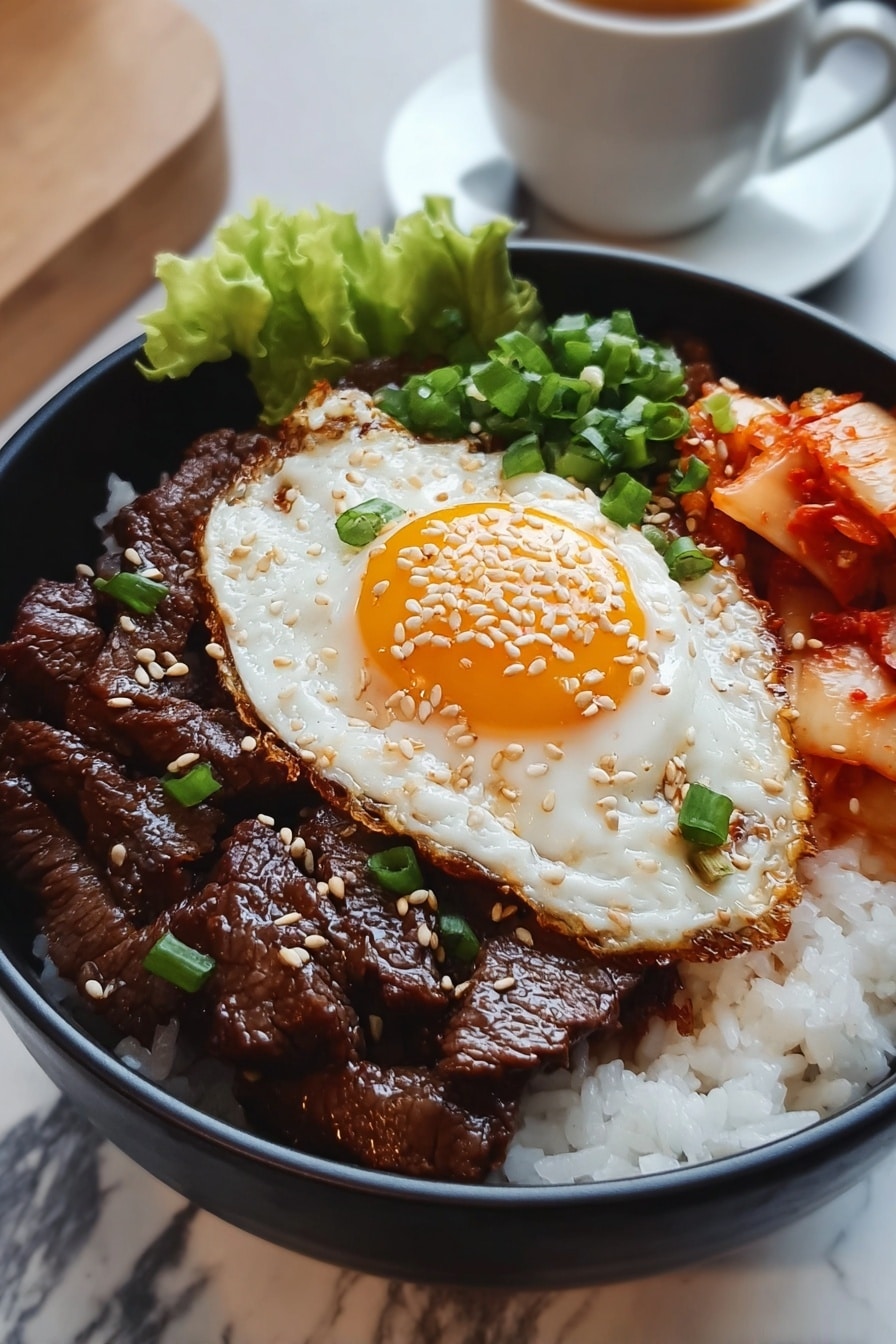
If you’re craving a dish that’s bursting with sweet, savory, and slightly spicy flavors, you’re going to absolutely love this Korean Beef Bulgogi Recipe. It’s a fan-freaking-tastic meal that’s both surprisingly simple to make and packed with those deep, caramelized notes that keep you coming back for more. Trust me, once you try this, it’ll become your go-to recipe whenever you want impressive flavor with minimal fuss. Ready? Let’s dive in!
Why You’ll Love This Recipe
- Bold, Balanced Flavor: The marinade blends sweet, salty, and a hint of heat perfectly, making every bite a flavor explosion.
- Tender, Juicy Beef: Freezing the meat just a bit before slicing helps you get those ultra-thin cuts that soak in the marinade beautifully.
- Honey Butter Magic: Adding honey butter at the end creates a luscious caramelized glaze that makes this bulgogi stand out.
- Versatile and Easy to Customize: Whether you love it spicy, mild, or loaded with veggies, this recipe can be your canvas.

Ingredients You’ll Need
Every ingredient in this Korean Beef Bulgogi Recipe plays a vital role, from the tender ribeye to the aromatic garnish. I always recommend using fresh garlic and ginger – they brighten up the marinade unlike anything else. If you can find Asian pear or a red apple, it really tenderizes the beef and adds a subtle sweetness.
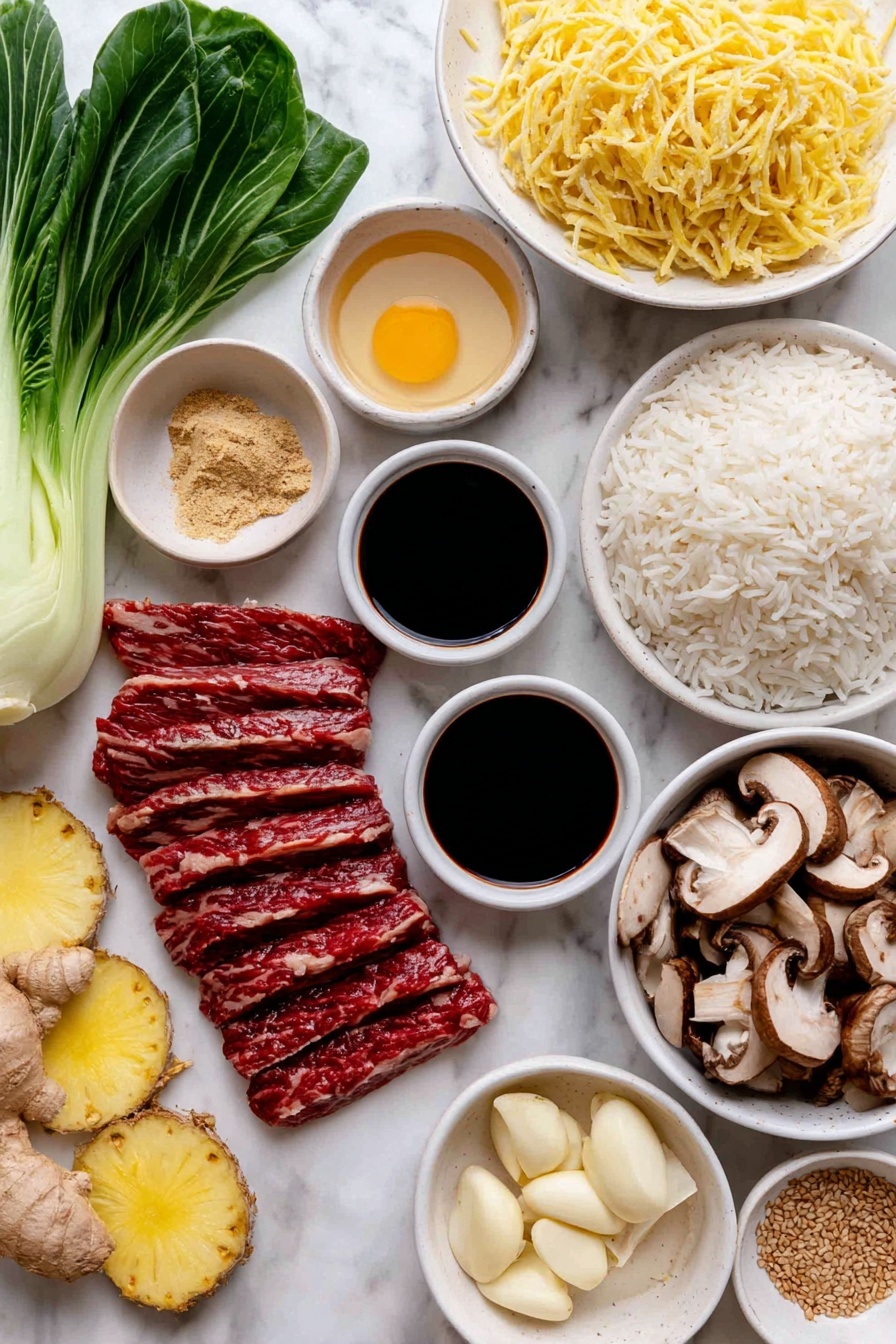
- Ribeye or sirloin steak: Ribeye is luxurious and tender, but sirloin is a great leaner choice.
- Soy sauce: The salty backbone of the marinade; low-sodium is fine if you’re watching salt.
- Brown sugar: Adds sweetness and helps create that beautiful caramelized exterior.
- Sesame oil: Just a little goes a long way for flavor and nuttiness.
- Garlic: Fresh minced garlic brings punch and warmth.
- Fresh ginger: Grated, it adds zing that cuts through the richness.
- Asian pear or red apple: Grated to tenderize the beef and deepen the flavor.
- Mirin (optional): This sweet rice wine adds complexity, but you can skip it if needed.
- Gochujang (optional): For that signature Korean spicy kick, but totally optional.
- Black pepper: Simple seasoning to balance the marinade.
- Green onions: Adds freshness and a subtle onion flavor.
- Toasted sesame seeds: For nuttiness and texture, both in the marinade and as a garnish.
- Neutral oil: Like vegetable or canola oil, to cook the beef without overpowering flavors.
- Onion, carrot, mushrooms: These veggies are lightly sautéed—adding color, texture, and earthiness.
- Honey butter: Mixing honey with melted butter finishes the beef with a gorgeous glaze you won’t stop drooling over.
- Cooked rice: The perfect base and soak-up partner for all those juices.
- Lettuce or perilla leaves: For wrapping and eating bulgogi the traditional Korean way.
Variations
I love how adaptable this Korean Beef Bulgogi Recipe is. Over time, I’ve played around with spice levels and veggie combos to keep things fresh and exciting. Don’t be afraid to tweak it based on what you love, because it always turns out great.
- Extra Spicy: I add more gochujang or a dash of chili flakes when I’m craving a serious kick—and it never disappoints.
- Vegetable Boost: Toss in bell peppers, zucchini, or even spinach for a rainbow on your plate.
- Gluten-Free: Swap regular soy sauce for tamari and skip mirin to keep it gluten-free without sacrificing flavor.
- Grilled Version: Cooking the beef directly on a hot grill gives a smoky vibe that my family adores during summer BBQs.
How to Make Korean Beef Bulgogi Recipe
Step 1: Prep and Slice the Beef
This might sound like a small step, but freezing the beef for about 30 minutes before slicing makes a huge difference. I discovered this trick early on—it firms up the meat so you can slice ultra-thin strips against the grain which soak up that marinade like a dream. Use a very sharp knife and slice evenly to ensure each piece cooks quickly and stays tender.
Step 2: Whisk Up the Marinade
In a large bowl, combine your soy sauce, brown sugar, sesame oil, freshly minced garlic, grated ginger, and grated Asian pear or apple. Add mirin and gochujang if you want that little extra sweetness and heat. The pear (or apple) is the secret weapon—it tenderizes the beef while adding subtle sweetness without overpowering the savory elements. Stir in chopped green onions and toasted sesame seeds for some texture and freshness.
Step 3: Marinate the Beef
Pop those thin beef strips into the marinade and give everything a solid toss. It’s important every slice gets coated—this is flavor central! Cover the bowl and refrigerate it for at least an hour, but honestly, overnight is where the magic really shines. I learned that patience is your best friend here; the longer it marinates, the more tender and flavorful your bulgogi will be.
Step 4: Prepare Your Veggies While the Beef Takes a Spa Day
While your beef is soaking up all those flavors, slice up your onion thinly, julienne the carrot, and get those mushrooms ready. This little prep step makes the cooking part feel smooth and enjoyable.
Step 5: Cook the Bulgogi to Perfection
Heat up a grill pan or cast iron skillet over medium-high heat and add a tablespoon of neutral oil. This helps prevent sticking without interfering in flavor. Work in batches here to avoid crowding—crowded pans steam meat instead of caramelizing it, and trust me, you want that caramelization. Cook each batch 2–3 minutes per side until the edges get nicely browned.
Right before you finish cooking the last batch, drizzle your honey butter over the beef and toss quickly. That glaze adds a gorgeous shine and extra layer of sweetness that’s unlike anything I’ve tasted in other bulgogi recipes. Once it’s done, remove the beef and set it aside.
Step 6: Sauté the Vegetables
In the same pan, use the residual flavors and sauté your onions, carrots, and mushrooms for 3–4 minutes until just softened. This step warms them through while soaking up some of those delicious meaty bits left behind.
Step 7: Plate and Garnish
Arrange the beef and vegetables on a platter, sprinkle with extra toasted sesame seeds and sliced green onions for that final pop of flavor and color. Serve with steaming hot rice, and if you want to get traditional, wrap bites with lettuce or perilla leaves alongside some kimchi for tang and spice.
Pro Tips for Making Korean Beef Bulgogi Recipe
- Freeze Before Slicing: Even 30 minutes in the freezer makes thin slicing much easier and your beef will cook evenly.
- Marinate Overnight: Patience pays off—overnight marination gives the best tender, flavorful results.
- Work in Batches: Avoid overcrowding the pan to ensure you get that mouthwatering caramelization instead of steamed meat.
- Honey Butter Finish: Don’t skip this step; it adds a unique depth and luscious glaze that takes your bulgogi from good to unforgettable.
How to Serve Korean Beef Bulgogi Recipe
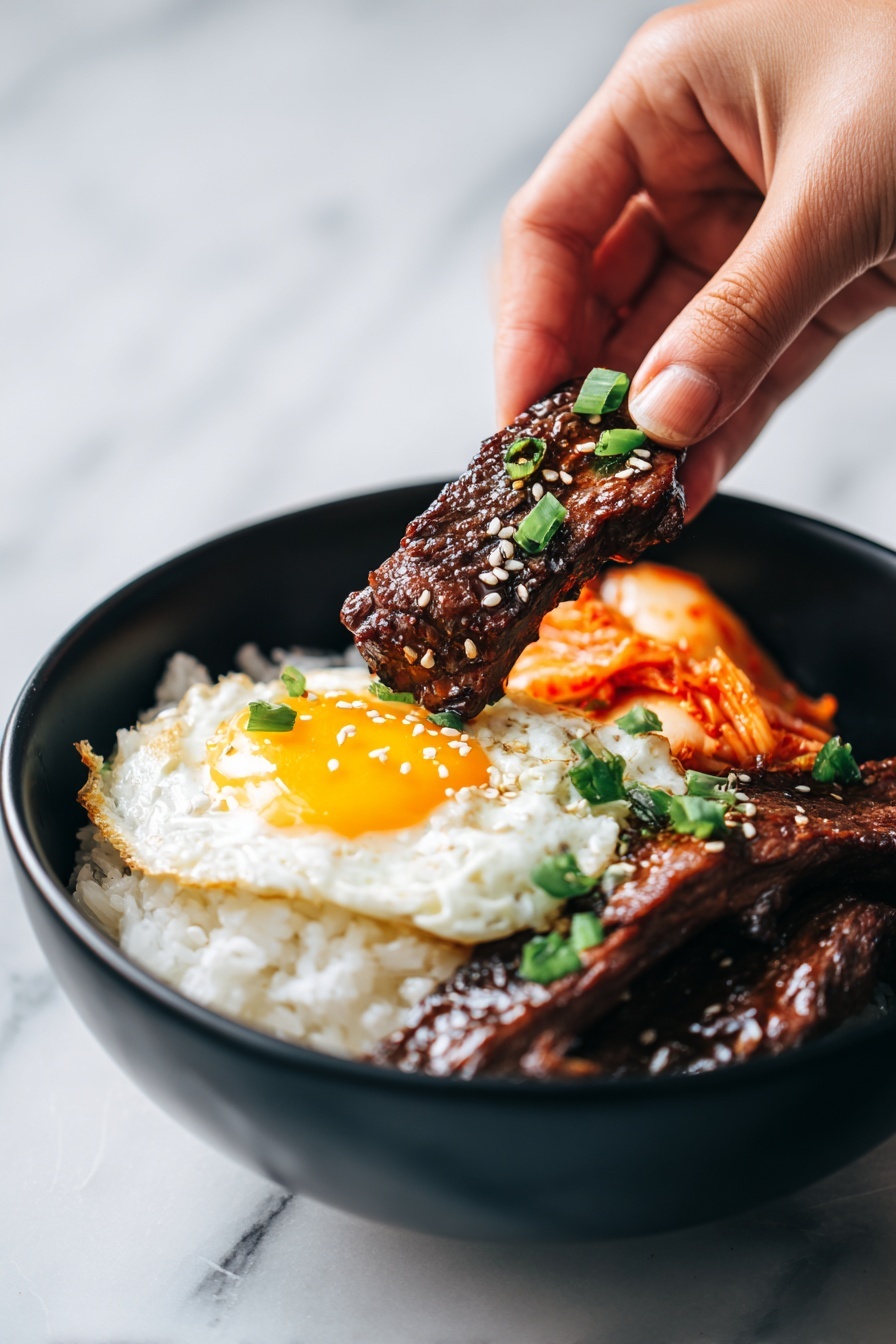
Garnishes
I always top my Korean Beef Bulgogi with extra toasted sesame seeds and finely sliced green onions—they add texture and a fresh contrast to the richness. Sometimes, I like to sprinkle a tiny pinch of crushed red pepper flakes if we want a little extra heat at the table.
Side Dishes
This bulgogi truly shines alongside steamed white rice or sticky jasmine rice. For a traditional Korean experience, I serve it with crisp lettuce or perilla leaves for wrapping, and a side of kimchi to bring in punchy, fermented tang. Pickled radish and light cucumber salad also pair beautifully to brighten the meal.
Creative Ways to Present
For special occasions, I love serving this Korean Beef Bulgogi family-style on a large platter surrounded by colorful veggies and leaves for wrapping, so everyone can build their own wraps. You could also try bulgogi tacos, using soft corn tortillas, avocado, and a drizzle of spicy mayo—a fun fusion that will wow your guests.
Make Ahead and Storage
Storing Leftovers
After cooking, I usually let the beef cool a bit before transferring it into an airtight container. It keeps well in the fridge for up to 3 days, making it an easy lunch option. The flavors actually mellow and deepen a little each day, which I don’t mind at all.
Freezing
If you want to prep ahead, I recommend freezing the marinated beef (raw, before cooking). Portion it out into freezer bags, so you can thaw and cook fresh whenever you’re ready. Cooked bulgogi can be frozen too, but it might lose a bit of texture when reheated.
Reheating
To reheat leftovers, I warm them gently in a skillet over medium heat with a splash of water or a touch more sesame oil to keep things moist. Avoid the microwave if you want to keep the meat tender and the veggies tasty. A quick sauté brings back the savory-sweet goodness just like fresh.
FAQs
-
Can I use other cuts of beef for this Korean Beef Bulgogi Recipe?
Absolutely! While ribeye and sirloin are the most popular for their tenderness, you can also use flank steak or skirt steak if you slice very thinly against the grain. The key is thin slices so the marinade penetrates well and the beef cooks quickly.
-
Is there a vegetarian or vegan alternative to bulgogi?
Yes! You can swap out the beef for thinly sliced mushrooms, tofu, or seitan and use a similar marinade (just omit any fish-based ingredients). While it won’t be the same, this keeps the signature flavors and is a great way to enjoy bulgogi-inspired dishes.
-
How long can I marinate the beef?
The beef should marinate for at least 1 hour to develop flavor, but overnight (up to 24 hours) is best for maximum tenderness and depth. Just make sure it’s covered and refrigerated during that time.
-
What can I serve with Korean Beef Bulgogi for a full meal?
Steamed rice or lettuce wraps are classic accompaniments, but don’t forget sides like kimchi, pickled vegetables, steamed or sautéed greens, and even a light Korean-style pancake (pajeon) for a festive meal.
Final Thoughts
Every time I make this Korean Beef Bulgogi Recipe, it reminds me how food is such a joyful experience—a balance of textures, flavors, and memories. I hope you’ll enjoy making it as much as I do, sharing it around the table with the people you love. Give yourself the freedom to experiment and savor every bite, because this recipe truly brings a little slice of Korea right into your kitchen. Happy cooking!
Print
Korean Beef Bulgogi Recipe
- Prep Time: 15 minutes
- Cook Time: 10 minutes
- Total Time: 1 hour 25 minutes
- Yield: 4 servings 1x
- Category: Main Course
- Method: Stovetop
- Cuisine: Korean
Description
This Korean Beef Bulgogi recipe features thinly sliced ribeye or sirloin marinated in a savory, slightly sweet mixture of soy sauce, brown sugar, garlic, ginger, and grated Asian pear. The beef is quickly cooked in a hot skillet with a unique honey butter glaze that enhances caramelization. Served alongside sautéed vegetables and steamed rice, this dish offers a perfect balance of rich, tender meat and fresh accompaniments, wrapped in lettuce or perilla leaves for an authentic Korean experience.
Ingredients
For the Beef:
- 1.5 lbs ribeye or sirloin steak, thinly sliced against the grain
For the Marinade:
- 6 tbsp soy sauce
- 3 tbsp brown sugar
- 2 tbsp sesame oil
- 4 cloves garlic, minced
- 1 tbsp fresh ginger, grated
- 1/2 Asian pear or red apple, grated
- 2 tbsp mirin (optional)
- 1 tbsp gochujang (optional, for spice)
- 1/4 tsp black pepper
- 2 tbsp finely chopped green onions
- 1 tsp toasted sesame seeds
For Cooking & Serving:
- 1 tbsp neutral oil (for cooking)
- 1 small onion, thinly sliced
- 1 carrot, julienned
- 1 cup mushrooms (shiitake or white button), sliced
- 2 tbsp honey butter (1 tbsp melted butter + 1 tbsp honey, mixed)
- Cooked rice, for serving
- Lettuce leaves or perilla leaves, for wrapping
- Extra sesame seeds and sliced green onions, for garnish
Instructions
- Prepare the Beef: Place the beef in the freezer for 30 minutes to firm up, making it easier to slice. Using a sharp knife, cut the beef into thin strips against the grain to ensure tenderness.
- Make the Marinade: In a large bowl, whisk together soy sauce, brown sugar, sesame oil, minced garlic, grated ginger, grated Asian pear or apple, mirin if using, gochujang for spice if desired, and black pepper. Stir in chopped green onions and toasted sesame seeds to infuse flavor.
- Marinate the Beef: Add the sliced beef to the marinade, making sure each piece is fully coated. Cover and refrigerate for at least one hour, preferably overnight, to develop deep flavor and tenderize the meat.
- Prepare Vegetables: While the beef marinates, prepare the accompanying vegetables by thinly slicing the onion, julienning the carrot, and slicing the mushrooms.
- Cook the Bulgogi: Heat a grill pan or cast iron skillet over medium-high heat and add neutral oil. Cook the marinated beef in batches to avoid overcrowding, searing each side for 2 to 3 minutes until caramelized. Just before finishing, drizzle honey butter over the beef and toss quickly to create a beautiful glaze. Remove cooked beef from the pan and set aside.
- Sauté the Vegetables: In the same pan used for the beef, add the sliced onion, carrot, and mushrooms. Sauté for 3 to 4 minutes until the vegetables are softened and lightly caramelized, absorbing the pan’s flavors.
- Serve: Arrange the cooked beef and sautéed vegetables on a serving plate. Garnish with extra sesame seeds and sliced green onions. Serve hot with steamed rice or wrapped in lettuce or perilla leaves alongside kimchi for a traditional touch.
Notes
- The honey butter adds a unique depth of caramelization and balances the saltiness of the soy sauce, giving the meat a beautiful glossy finish.
- Ribeye steak offers the most tenderness, while sirloin is a leaner, equally delicious alternative.
- Marinating overnight intensifies flavor and ensures a tender texture in the beef.
- Gochujang is optional and can be adjusted to control the spice level of the dish.
- For a smokier flavor, grilling the beef directly on high heat grill grates is an excellent alternative to stovetop cooking.
Nutrition
- Serving Size: 1 serving (approx. 1/4 of recipe)
- Calories: 450 kcal
- Sugar: 10 g
- Sodium: 950 mg
- Fat: 25 g
- Saturated Fat: 8 g
- Unsaturated Fat: 15 g
- Trans Fat: 0 g
- Carbohydrates: 25 g
- Fiber: 3 g
- Protein: 35 g
- Cholesterol: 90 mg
Your email address will not be published. Required fields are marked *