
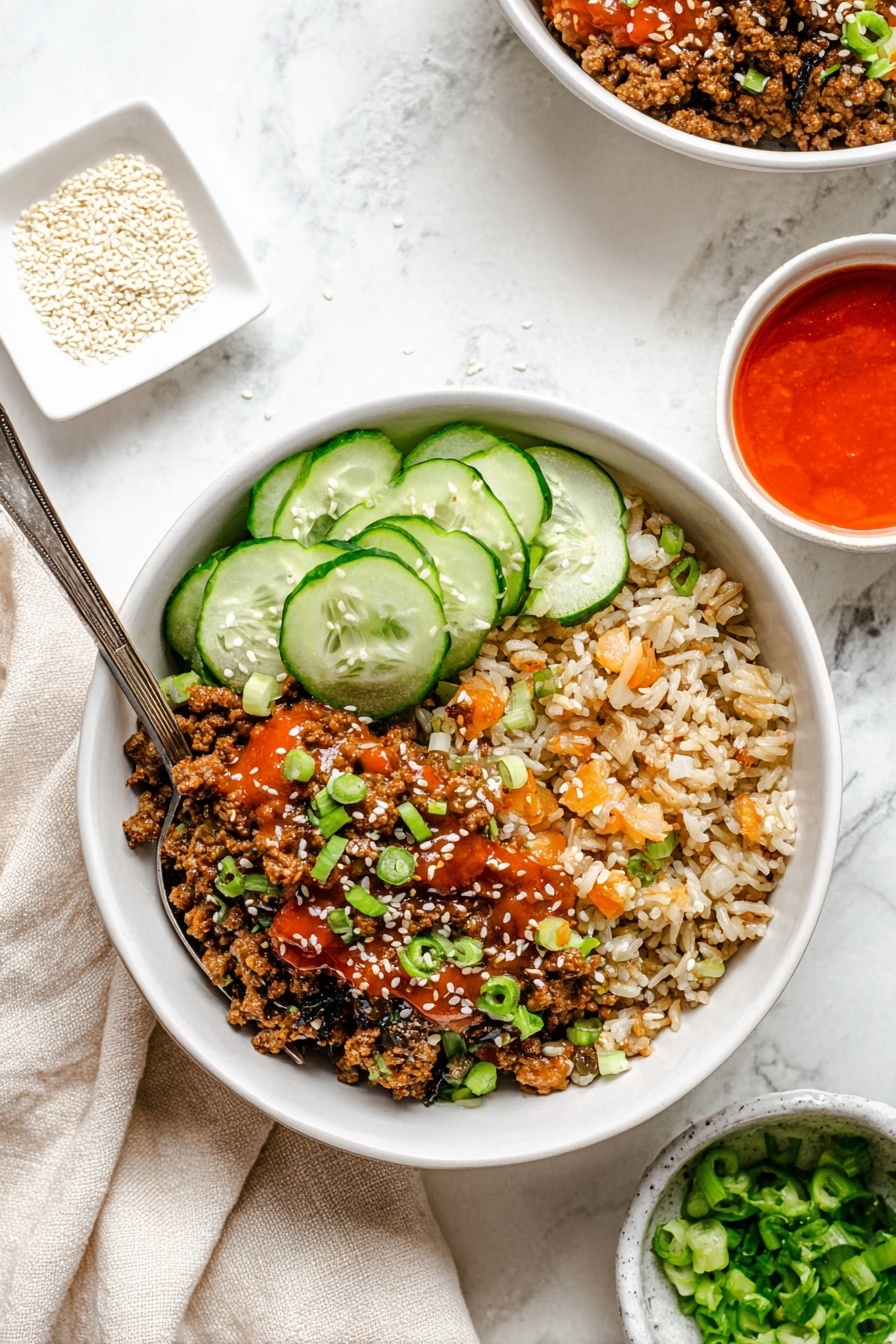
If you’re craving a meal that’s quick, full of flavor, and utterly satisfying, then this Korean Beef Bowl Recipe is going to become your new go-to. I absolutely love how this dish balances savory, sweet, and spicy notes all in one bowl, and the best part? It’s so easy to pull together on a busy weeknight. Keep reading and I’ll share all my tips and tricks so you nail this recipe every time and maybe even impress your family or friends.
Why You’ll Love This Recipe
- Super Quick Prep: You can have dinner on the table in about 30 minutes, perfect for hectic nights.
- Flavor Packed: The combo of soy, ginger, garlic, and a touch of heat from red pepper flakes gives this beef bowl an irresistible taste.
- Versatile & Customizable: Whether you want to swap the protein or add extra veggies, this recipe adapts effortlessly.
- Family Favorite: I discovered that everyone from picky eaters to spice lovers goes crazy for this bowl.

Ingredients You’ll Need
Choosing fresh, simple ingredients makes all the difference in this Korean Beef Bowl Recipe. Each one adds flavor or texture, and I’ve included some tips from my own experience to help you pick the best options.
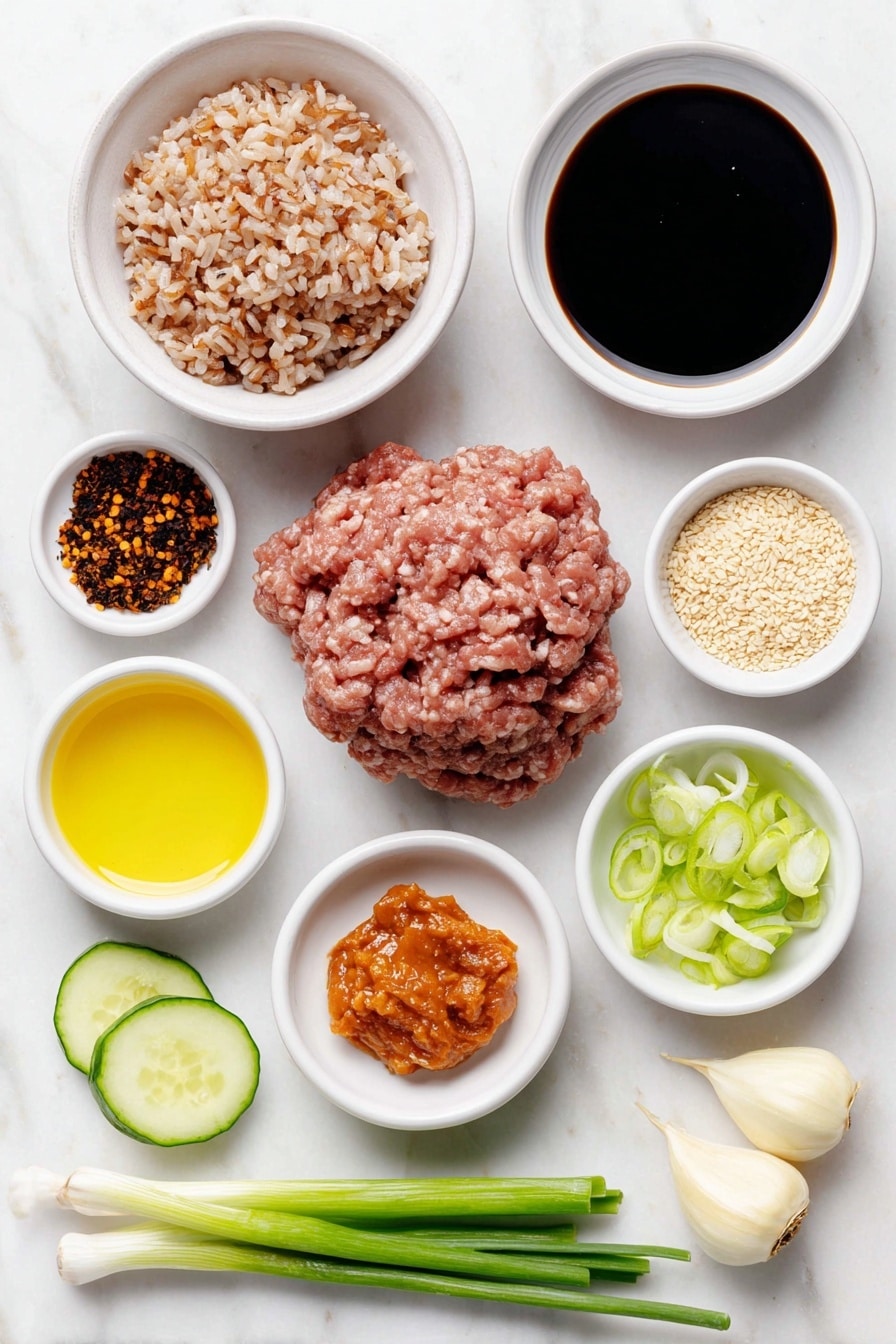
- Low sodium soy sauce: I recommend low sodium so you control the saltiness and keep the flavor balanced.
- Light brown sugar: Adds just the right hint of sweetness; you can substitute with coconut sugar for a subtle twist.
- Sesame oil: A must-have for its nutty aroma – just a teaspoon really lifts the dish.
- Crushed red pepper flakes: This gives a gentle heat without overpowering, but feel free to tweak to your spice tolerance.
- Cooking spray: Keeps things light while ensuring your beef browns nicely.
- Ground beef (93% lean): Lean enough to avoid excess grease but still juicy and flavorful.
- Yellow onion: Adds sweetness and texture; chopping finely helps it cook evenly.
- Garlic cloves: Fresh and crushed for maximum aroma and punch.
- Fresh grated ginger: This little ingredient punches up the freshness and pairs beautifully with garlic.
- Cooked brown rice: Hearty and nutritious – do prep this ahead for the fastest bowl assembly.
- Cucumber: Adds crunch and coolness; I usually leave the skin on for color and vitamins.
- Gochujang sauce: The star spicy red chili paste that makes it authentically Korean – adjust how much you add based on spice preference.
- Sesame seeds: Toasted for an extra nutty crunch, I sprinkle generously.
- Scallions: Both white and green parts add a lovely sharp freshness and pop of color.
Variations
I love making this recipe my own by switching things up depending on what I have on hand or what flavor mood I’m in. You should totally feel free to experiment — each time you can discover a new favorite twist!
- Change the protein: When I’m out of beef, swapping in lean ground turkey or chicken works beautifully, and I’ve even made it with crumbled tofu when I wanted a meatless option.
- Add a fried egg: This adds richness and extra protein — my family goes wild for it with runny yolk melding into the rice.
- More veggies: Throwing in sauteed mushrooms or bok choy deepens flavor and texture; I also sometimes add matchstick carrots or edamame for color and nutrients.
- Pickled veggies: I discovered pickled onions or kimchi on the side add zing and balance the savory beef perfectly.
- Spice it up: Sliced fresh jalapeños on top for those who want a fiery kick.
- Rice alternatives: Cauliflower rice makes this low-carb and lighter while still flavorful.
- Lettuce wraps: For a fun change, serve the beef wrapped in crisp lettuce leaves instead of rice.
How to Make Korean Beef Bowl Recipe
Step 1: Whip Up That Amazing Sauce
Before you start cooking, combine your low sodium soy sauce, 2 tablespoons water, light brown sugar, sesame oil, and crushed red pepper flakes in a small bowl. Give it a good stir so the sugar dissolves — this sauce is going to be the magic that infuses your beef with incredible flavor.
Step 2: Brown the Beef to Perfection
Heat a large deep nonstick skillet over high heat and spray with cooking oil. Add the ground beef and break it up with your wooden spoon as it cooks, so it browns evenly. This usually takes around 5 minutes. You want it fully cooked but not dried out — watch for nice browning, which adds flavor.
Step 3: Sauté Onion, Garlic & Ginger
Once your beef is cooked, toss in the chopped yellow onion, crushed garlic cloves, and fresh grated ginger. Cook everything together for about 1 minute, stirring frequently — this releases their aromas and builds a flavorful base.
Step 4: Simmer with the Sauce
Pour the sauce you mixed earlier over the beef mixture. Cover your skillet and reduce the heat to low so everything simmers gently. Let it cook for about 10 minutes, stirring occasionally — this is when the beef soaks up all those delicious layers of flavor.
Step 5: Assemble Your Bowls
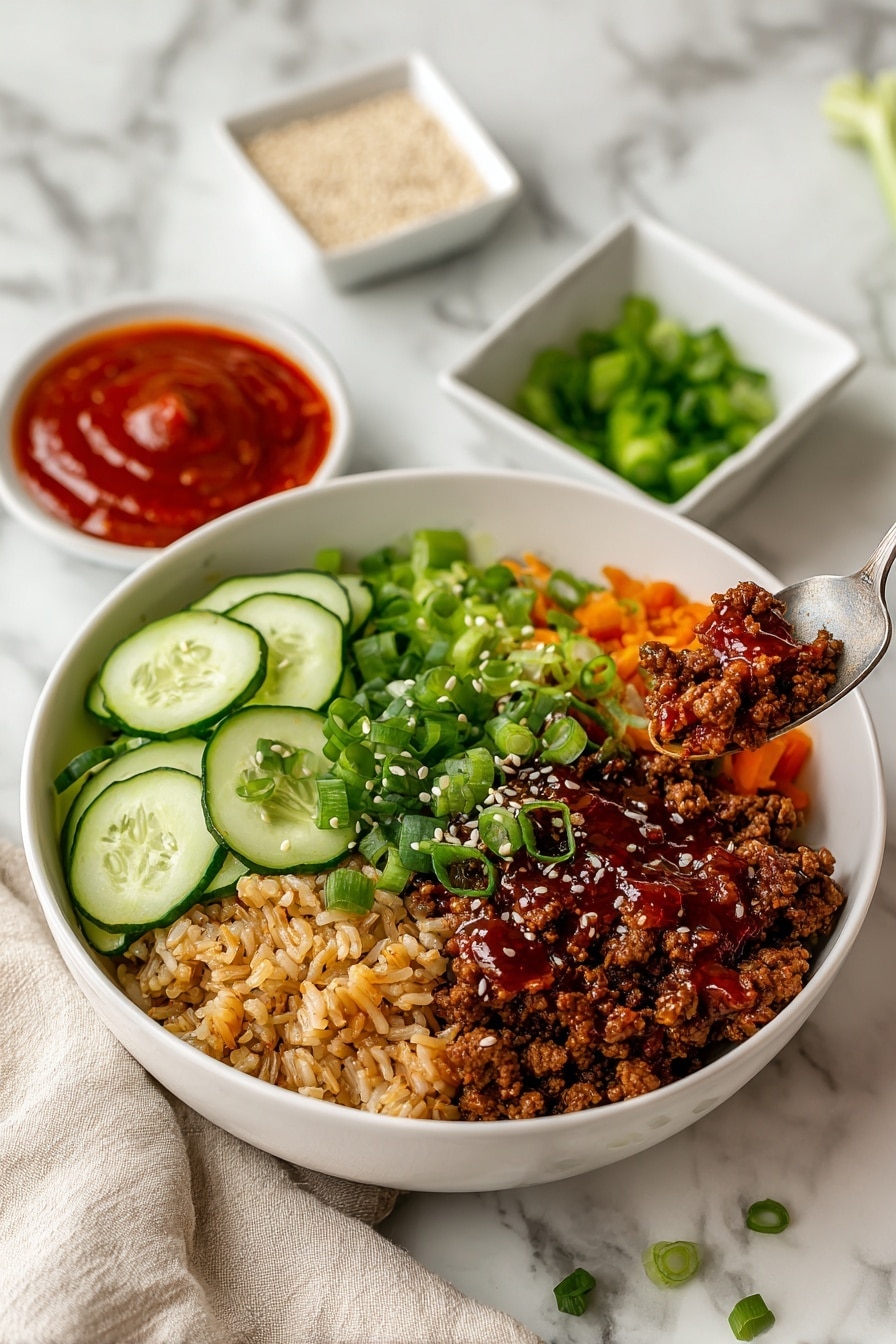
To build each bowl, start with about 3/4 cup of cooked brown rice. Then add a scant 2/3 cup of the Korean beef, followed by sliced cucumber for some fresh crunch. Top with your desired amount of Gochujang sauce for heat, sprinkle sesame seeds, and finish off with sliced scallions. This combo hits every flavor and texture note for me — you’ll see why I go back to it again and again.
Pro Tips for Making Korean Beef Bowl Recipe
- Don’t Skip the Simmer: Letting the beef simmer in the sauce really softens the onion and deepens the flavors—it’s a game-changer!
- Use Fresh Ginger: I learned that pre-grated ginger lacks punch; fresh grated ginger adds brightness and authentic Asian flavor.
- Brown the Beef Well: Getting a good sear on your ground beef adds a wonderful texture and taste that makes every bite so satisfying.
- Control Your Spice: If you’re sensitive to heat, start with less Gochujang and red pepper flakes — you can always add more at the end.
How to Serve Korean Beef Bowl Recipe
Garnishes
I always garnish my Korean Beef Bowl with extra sliced scallions and toasted sesame seeds because they add that little crunch and fresh flavor boost that keeps things interesting in every bite. Sometimes I drizzle a little extra Gochujang or a squeeze of lime to brighten things up. If I’m feeling fancy, a few cilantro leaves add a lovely herbal note.
Side Dishes
When I serve this bowl, I like to pair it with simple sides like steamed or roasted broccoli, kimchi for that authentic Korean punch, or even a lightly dressed cucumber salad. If you want something heartier, miso soup on the side always works wonders.
Creative Ways to Present
For special occasions, I sometimes use mini bowls or even serve this on large lettuce leaves for a stylish, hands-on experience. Another fun way is to layer everything in glass jars for a pretty presentation and easy grab-and-go lunches. Trust me, it makes weeknight dinners feel a bit more festive!
Make Ahead and Storage
Storing Leftovers
I store leftovers in airtight containers and keep the rice and beef mixture separate when possible — it helps keep the texture just right. The bowl keeps beautifully for up to 3 days in the fridge, making for a quick lunch or dinner later in the week.
Freezing
From experience, the beef sauce freezes very well, but the cucumber topping doesn’t survive freezing as well, so I recommend adding fresh cucumbers after reheating. Just portion out your cooked beef mixture into freezer-safe containers and pull out when needed for a quick meal.
Reheating
To reheat, I warm the beef in a skillet over medium heat or in the microwave until just heated through — avoid overheating which can dry out the meat. Freshly sliced cucumbers and scallions added after reheating keep the bowl tasting fresh and vibrant.
FAQs
-
Can I make this Korean Beef Bowl Recipe gluten-free?
Yes! To keep it gluten-free, just choose a gluten-free soy sauce like tamari and double-check your Gochujang as some brands include gluten. This way, you still get all the delicious flavors without the gluten.
-
How spicy is this recipe?
It has a medium level of heat thanks to the crushed red pepper flakes and Gochujang sauce, but you can control the spice by using less of either or adding more if you like it hotter. I always recommend starting mild— you can always add more when serving.
-
Can I use white rice instead of brown rice?
Absolutely! White rice works just as well and cooks faster too. I usually opt for brown rice because I like the nutty flavor and extra fiber, but go with what you prefer or have on hand.
-
Is it okay to use ground pork or turkey instead of beef?
Definitely! This Korean Beef Bowl Recipe is very adaptable, and swapping in other ground meats like turkey or pork works great. Just keep an eye on cooking times as leaner meats can cook a bit quicker and dry out if overcooked.
-
Can I make this recipe vegetarian or vegan?
Yes! Swap the beef for crumbled tofu, tempeh, or a plant-based ground meat substitute. Also, check the sauces for animal products to keep it fully vegan. I discovered tofu cubes tossed in the sauce and pan-fried until crispy works wonderfully.
Final Thoughts
This Korean Beef Bowl Recipe has seriously become a staple in my kitchen because it delivers big flavors without demanding tons of time or complicated steps. Whether you’re cooking for yourself or feeding a crowd, you’ll enjoy how adaptable it is and how every bite brings a little burst of comfort and excitement. Give it a try—I promise it’ll become one of those recipes you turn to on repeat, just like I do!
Print
Korean Beef Bowl Recipe
- Prep Time: 15 minutes
- Cook Time: 15 minutes
- Total Time: 30 minutes
- Yield: 4 servings 1x
- Category: Main Course
- Method: Stovetop
- Cuisine: Korean
- Diet: Low Fat
Description
This Korean Beef Bowl recipe is a quick and flavorful meal, combining lean ground beef cooked in a savory soy-based sauce with brown rice, fresh cucumber, and spicy Gochujang sauce. Perfect for a weeknight dinner, it offers a balance of sweet, spicy, and umami flavors with healthy ingredients and customizable options.
Ingredients
Sauce
- 1/4 cup low sodium soy sauce*
- 2 teaspoons light brown sugar
- 1 teaspoon sesame oil
- 1/2 teaspoon crushed red pepper flakes
- 2 tablespoons water
Beef Mixture
- 1 pound 93% lean ground beef
- 1/4 cup chopped yellow onion
- 2 garlic cloves (crushed)
- 1 teaspoon fresh grated ginger
To Serve
- 3 cups cooked brown rice
- 1 small sliced cucumber (skin on)
- 2 tablespoons Gochujang Sauce (or more if desired*)
- 1/2 tablespoon sesame seeds
- 2 sliced scallions (white and green parts)
Instructions
- Prepare the sauce: In a small bowl, combine low sodium soy sauce, 2 tablespoons water, light brown sugar, sesame oil, and crushed red pepper flakes. Stir well to mix all ingredients evenly.
- Cook the beef: Heat a large, deep nonstick skillet over high heat and spray with cooking oil. Add the ground beef, breaking it up with a wooden spoon, and cook until fully browned and no longer pink, about 5 minutes.
- Add aromatics: Mix in the chopped yellow onion, crushed garlic cloves, and fresh grated ginger into the skillet. Cook together for 1 minute until fragrant and the onion softens slightly.
- Simmer with sauce: Pour the prepared sauce over the cooked beef mixture, stir to combine, cover the skillet, and reduce the heat to low. Let it simmer gently for 10 minutes to allow flavors to meld.
- Assemble the bowl: Spoon 3/4 cup of cooked brown rice into each serving bowl. Top with approximately 2/3 cup of the saucy beef mixture, add sliced cucumber, drizzle with Gochujang sauce to taste, and sprinkle with sesame seeds and sliced scallions.
Notes
- Check labels to ensure soy sauce and Gochujang sauce are gluten-free if needed.
- Variations include swapping beef for ground turkey, pork, chicken, or plant-based proteins like tofu or Impossible burger for vegetarian options.
- For extra protein, add a fried egg on top of the bowl.
- Add more vegetables like sautéed mushrooms, bok choy, carrots, or edamame for increased nutrition and flavor.
- Mix in pickled vegetables such as pickled onions, cucumbers, carrots, or kimchi to enhance the dish’s tanginess.
- Spice it up further by garnishing with fresh sliced jalapeños.
- For a low-carb alternative, serve over cauliflower or vegetable rice.
- Make the dish into lettuce wraps instead of bowls for a lighter option.
Nutrition
- Serving Size: 1 bowl (approximately)
- Calories: 370
- Sugar: 5 g
- Sodium: 580 mg
- Fat: 14 g
- Saturated Fat: 5 g
- Unsaturated Fat: 7 g
- Trans Fat: 0 g
- Carbohydrates: 34 g
- Fiber: 4 g
- Protein: 28 g
- Cholesterol: 75 mg

Your email address will not be published. Required fields are marked *