
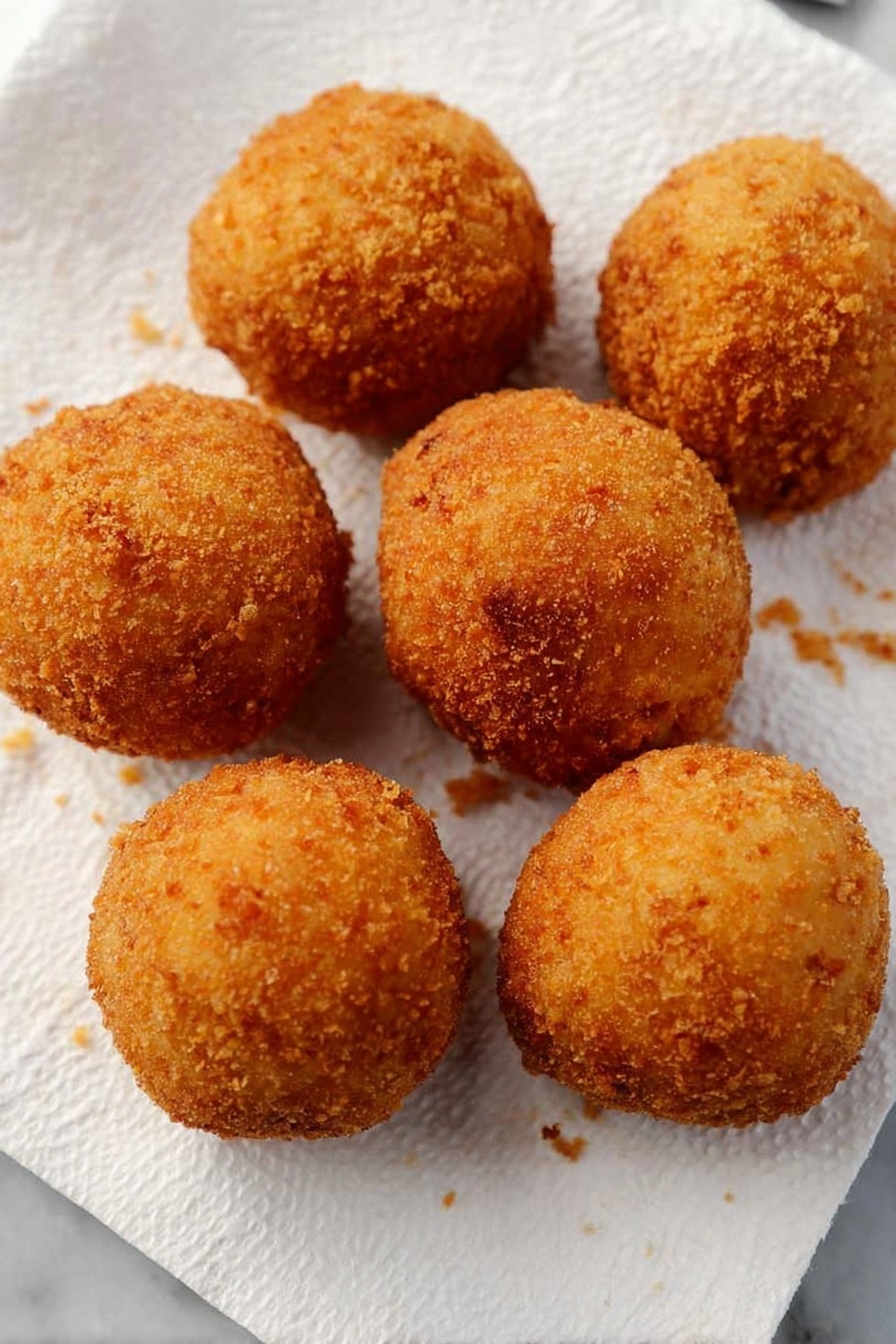
If you’ve ever had a craving for something hearty, crispy on the outside, and wonderfully soft inside, then you’re going to absolutely love my Homemade Scotch Eggs Recipe. These golden beauties are like little parcels of comfort food perfection, and once you try making them from scratch, you’ll wonder why you ever settled for store-bought. I promise, this recipe will become your go-to for brunch, snacks, or even a cozy dinner treat.
Why You’ll Love This Recipe
- Simple Ingredients: You probably already have most of what you need at home, which makes this an easy recipe to pull together any time.
- Crisp & Juicy: The crispy breadcrumb coating gives way to juicy sausage meat wrapped around soft boiled eggs—pure magic.
- Impress Your Guests: Scotch eggs always draw compliments, and making them homemade adds that extra wow-factor.
- Family Favorite: My family absolutely goes crazy for these, and I bet yours will too!

Ingredients You’ll Need
These ingredients balance beautifully. The herbs and mustard give the sausage meat a fresh zing, while the layering of flour, egg wash, and breadcrumbs ensures that golden, crispy crust everyone loves.
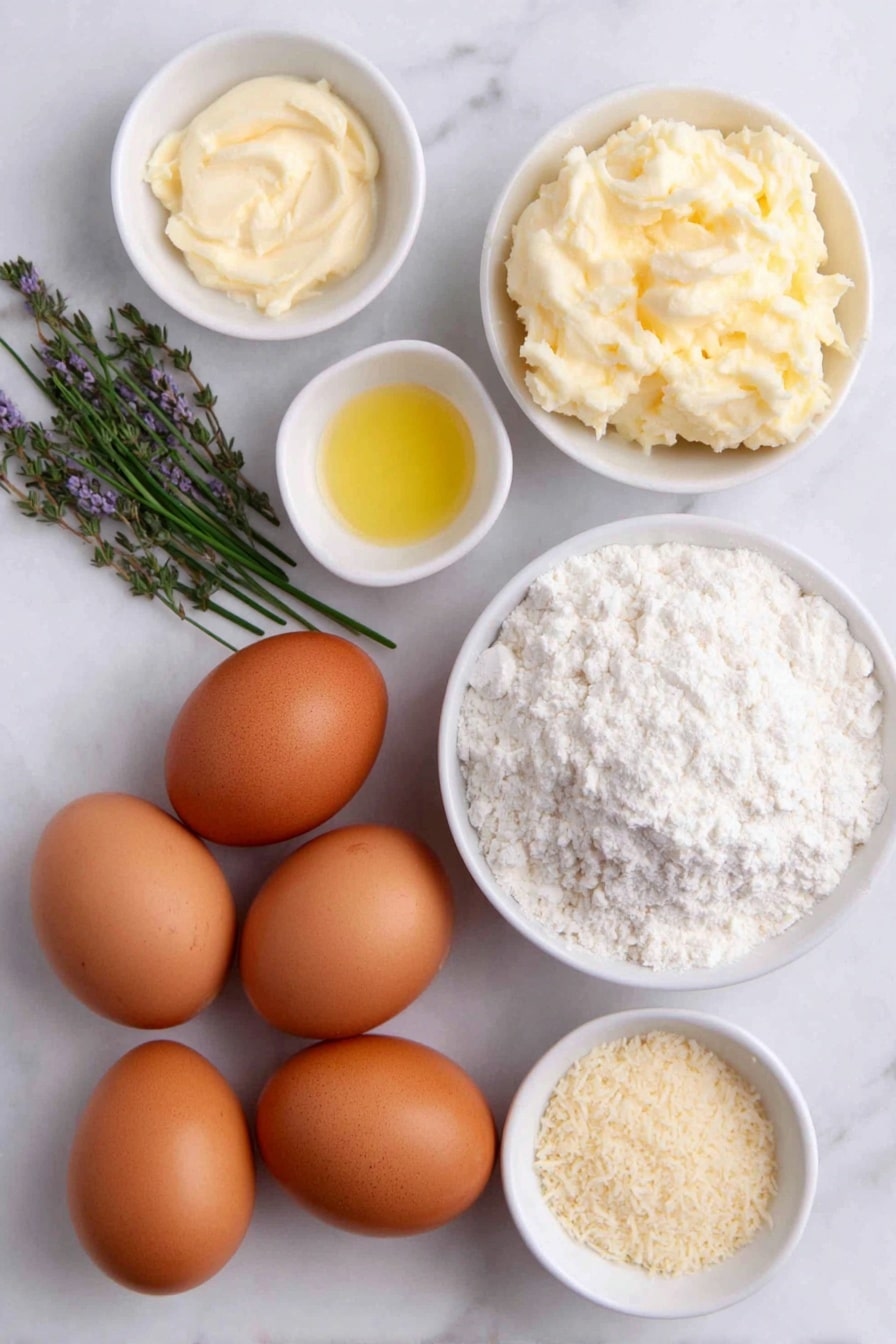
- Eggs: Choose medium eggs for easy peeling; fresh eggs can be trickier to peel after boiling.
- Plain sausagemeat: This is your main flavor base—go for good quality, seasoned meat or make your own if you like.
- Chopped mixed herbs: I love chives and thyme here, but feel free to use your favorites.
- Ground mace: Adds a subtle warmth and depth; if you don’t have mace, a pinch of nutmeg works too.
- English mustard: Gives the sausage a little kick without being overpowering.
- Milk: A splash in the egg wash helps it stick better to the eggs and breadcrumbs.
- Flour: For dusting the eggs and helping the sausage meat stick.
- Panko or homemade breadcrumbs: Panko is my favorite for extra crunch, but homemade breadcrumbs work great too.
- Vegetable oil: For frying; neutral oils like sunflower or canola are perfect because they don’t overpower the flavor.
Variations
I love how versatile this Homemade Scotch Eggs Recipe is. I often tweak the herbs or add extra spices to suit the mood or season, and you should too! It’s a flexible canvas for flavor experiments.
- Spiced Up: Once, I added smoked paprika and a bit of chili powder to the sausage mix, and it gave such a fun smoky heat that my friends are still asking for that version.
- Vegetarian Option: Swap the sausagemeat for a spiced chickpea or lentil mixture to try a meat-free take that’s surprisingly satisfying.
- Herb Swap: Rosemary or sage work wonderfully if you want a more earthy, fragrant twist.
- Cooking Method: If you want to go healthier, baking instead of frying gives a lighter finish, though you’ll miss that deep golden crunch.
How to Make Homemade Scotch Eggs Recipe
Step 1: Perfectly Soft-Boil Your Eggs
Start by putting six eggs into a pan filled with cold water. Bring the water to a boil, then reduce to a simmer and cook for exactly 5 minutes. This timing is key—it gives you eggs that are just set with luscious, slightly gooey yolks. Right after cooking, plunge the eggs into a big bowl of ice water for at least 10 minutes. This stops the cooking, cools them down for easy peeling, and helps avoid that pesky green ring around the yolks.
Step 2: Prepare the Sausage Mixture
While the eggs chill, mix the sausagemeat, chopped herbs, ground mace, and English mustard in a bowl. I find using my hands makes it easiest to combine everything evenly and feel the texture. Make sure to season with salt and pepper here—flavor is crucial. Then divide into six equal portions for wrapping.
Step 3: Peel and Set Up Your Assembly Line
Carefully peel your chilled eggs—they should come away cleanly, thanks to the ice water bath. Then set up three bowls for your coating station: one with seasoned flour, one with beaten eggs mixed with a splash of milk, and one with the panko or breadcrumbs. This assembly line makes the dipping process smooth and mess-free.
Step 4: Wrap the Eggs in Sausage Meat
This part is fun but requires gentle hands. Lay a piece of clingfilm on your workspace and lightly dust it with flour. Place one sausage meatball in the center, dust it lightly with flour, then put another clingfilm sheet on top. Roll the meat out carefully until it’s big enough to completely wrap an egg. Peel off the top clingfilm. Now, roll one peeled egg in flour, place it in the center of the flattened sausage meat, and wrap the meat around the egg using the clingfilm edges to lift it gently. Smooth into an even egg shape with your hands, then remove the clingfilm.
Step 5: Coat for Crunch
To get that signature crunch, dip each wrapped egg first in flour, then the egg wash, then breadcrumbs, then egg wash again, and finish with a second layer of breadcrumbs. Double coating locks in moisture and creates an unforgettable crispy exterior.
Step 6: Fry to Golden Perfection
Fill a large heavy pan about a third full with vegetable oil and heat it to 325°F (170°C). Here’s a trick: drop a small breadcrumb into the oil—it should sizzle and turn golden but not burn quickly. Fry two eggs at a time, for about seven minutes, turning gently to brown evenly. Once golden and crispy, transfer them to kitchen paper to drain. This frying method seals the sausage and keeps the yolks beautifully soft.
Pro Tips for Making Homemade Scotch Eggs Recipe
- Egg Timing Matters: Get your soft boil just right—5 minutes simmering gives perfect yolks; less or more changes the texture dramatically.
- Chill Before Peeling: Don’t skip the ice bath. It cools eggs quickly and makes peeling way easier (trust me, peeling hot, freshly boiled eggs is a nightmare).
- Keep the Oil Temperature Consistent: Use a thermometer if you can. Too hot and the coating burns before the meat cooks; too cool and you get greasy, soggy scotch eggs.
- Double Coating for Crunch: I learned the hard way that one layer of breadcrumbs isn’t enough—double dipping really makes all the difference.
How to Serve Homemade Scotch Eggs Recipe
Garnishes
I like to keep it simple with a scattering of chopped fresh parsley or chives for a pop of color. A dollop of tangy mustard or your favorite pickle chutney on the side is also fantastic for dipping—brings out the flavors beautifully!
Side Dishes
My go-to sides are crisp green salads, roasted new potatoes, or even some baked beans for a satisfying pub-style meal. They help balance the richness of the scotch eggs without overpowering them.
Creative Ways to Present
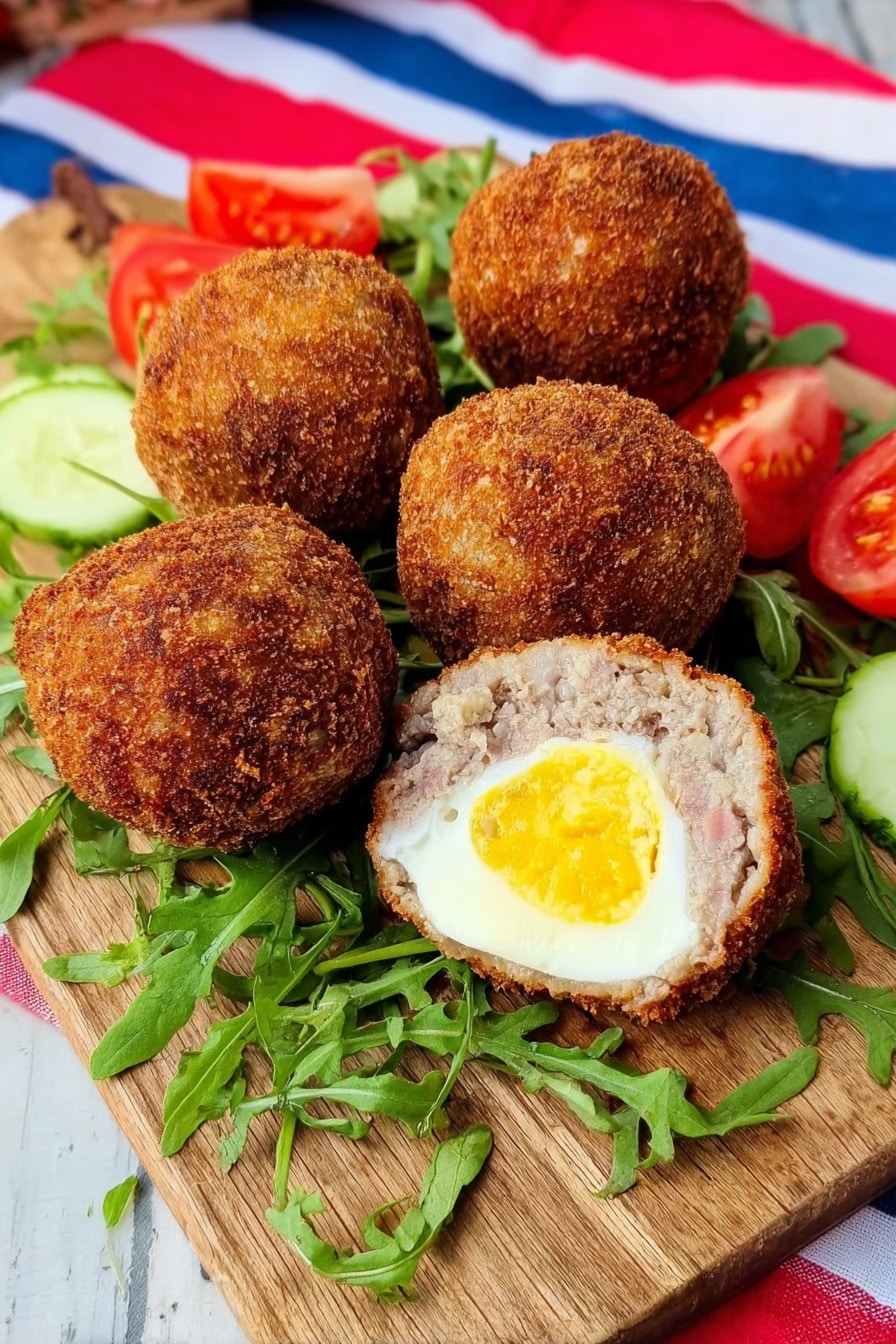
For brunch gatherings, I’ve arranged Scotch eggs halved on a large wooden board surrounded by fresh greens, sliced radishes, and colorful pickles. It always feels special and gets people chatting before the first bite.
Make Ahead and Storage
Storing Leftovers
Once cooled, I wrap leftover Scotch eggs individually in clingfilm and store them in the fridge for up to 3 days. They keep their flavor well, so you can enjoy them as a quick snack or packed lunch.
Freezing
I’ve frozen leftover eggs after frying with great results. Just wrap each in plastic wrap and stash them in an airtight container. When you’re ready, thaw overnight in the fridge.
Reheating
To retain that crispiness when reheating, I always use an oven or air fryer at around 350°F (175°C) for 10-15 minutes. Microwave works in a pinch but tends to make the coating soggy.
FAQs
-
Can I use leftover cooked eggs instead of boiling fresh ones?
While it might be tempting, using leftover cooked eggs usually means the yolks are fully set and dry. For the best Homemade Scotch Eggs Recipe, soft-boiled eggs are ideal because their creamy yolks add that luscious center we all love.
-
What if I don’t have panko breadcrumbs?
No worries! You can make your own breadcrumbs by toasting some bread slices and pulsing them in a food processor. Just be sure to dry the crumbs well for that extra crunch.
-
How do I know when the oil is the right temperature for frying?
Use a frying thermometer if you have one. If not, drop a tiny piece of breadcrumb into the oil — it should sizzle and turn golden within a few seconds without burning.
-
Can I bake the Scotch eggs instead of frying?
Yes! Baking offers a healthier spin. Brush the breadcrumb-coated eggs with a bit of oil and bake at 400°F (200°C) for about 25-30 minutes, turning halfway through. You’ll get a slightly different texture but still delicious.
Final Thoughts
I absolutely love how this Homemade Scotch Eggs Recipe turns out every single time. The mix of crisp coating, herby sausage, and soft egg is just pure comfort on a plate. When I first made these, I was hooked instantly, and now I’m excited to share this simple yet impressive recipe with you. Give it a try—you’ll enjoy the process, the flavors, and the proud smiles around your table. Trust me, homemade Scotch eggs are worth every minute!
Print
Homemade Scotch Eggs Recipe
- Prep Time: 20 minutes
- Cook Time: 7 minutes
- Total Time: 27 minutes
- Yield: 6 Scotch eggs 1x
- Category: Snack
- Method: Frying
- Cuisine: British
Description
This recipe for The Best Homemade Scotch Eggs offers a delightful twist on a classic British snack. Featuring soft-boiled eggs wrapped in seasoned sausage meat, coated in a double layer of flour, egg wash, and crispy breadcrumbs, then fried to golden perfection. Ideal for a hearty snack or picnic treat, these Scotch eggs are crispy on the outside and wonderfully tender inside.
Ingredients
Eggs
- 8 eggs
Sausage Meat Mixture
- 1 lb (450 g) plain sausagemeat
- 3 tbsp chopped mixed herbs (chives and thyme recommended)
- A pinch of ground mace
- 1 tbsp English mustard
- Salt and freshly ground black pepper, to season
Breading and Coating
- 1/2 cup (50 g) flour, seasoned with salt and pepper
- 1 cup (100 g) panko or homemade breadcrumbs
- 2 raw eggs, beaten with a splash of milk
For Frying
- Vegetable oil, enough to fill the pan one third full for frying
Instructions
- Soft Boil the Eggs: Place six eggs into a saucepan and cover with cold water. Bring to a boil, then reduce the heat and simmer for 5 minutes. Immediately transfer the eggs to a large bowl of iced water and let them cool for at least 10 minutes to stop the cooking process and make peeling easier.
- Prepare the Sausage Meat Mixture: In a bowl, combine the sausage meat, chopped herbs, ground mace, English mustard, salt, and pepper. Mix thoroughly with your hands until well combined. Divide this mixture into six equal portions.
- Peel the Eggs and Set Up Breading Station: Carefully peel the cooled boiled eggs. In separate bowls, place the seasoned flour, the beaten eggs mixed with milk, and the breadcrumbs. Arrange these bowls in a row for easy coating.
- Wrap the Eggs in Sausage Meat: Lightly flour a piece of clingfilm on your work surface. Place one portion of sausage meat on the clingfilm and dust lightly with flour. Cover with another square of clingfilm and roll out the meat until large enough to fully encase one egg. Remove the top clingfilm layer. Roll one peeled egg in flour, place it in the center of the flattened meat, then lift the clingfilm edges to bring the meat up around the egg, molding it into a smooth egg shape.
- Bread the Scotch Eggs: Remove the wrapped egg from the clingfilm. Coat each wrapped egg in the seasoning flour, then dip into the egg wash, followed by breadcrumbs. Repeat this process once more with egg wash and breadcrumbs to create a double coating for extra crispiness.
- Fry the Scotch Eggs: Heat vegetable oil in a large frying pan to 325°F (170°C). Test the oil temperature by dropping a breadcrumb in the oil – it should sizzle and turn golden without burning. Fry 2 Scotch eggs at a time for about 7 minutes, turning occasionally to ensure even browning, until the coating is crisp and golden.
- Drain and Serve: Remove the cooked Scotch eggs from the oil and drain on kitchen paper to remove excess oil. Serve warm or at room temperature.
Notes
- Using clingfilm to shape the sausage meat around the eggs helps create a smooth, compact layer that holds together during frying.
- Double coating with egg and breadcrumbs ensures a crunchier exterior.
- Soft boiling the eggs for precisely 5 minutes yields a slightly runny yolk; adjust time for a firmer yolk if preferred.
- Make sure the oil temperature is steady at around 325°F (170°C) to achieve golden, non-greasy Scotch eggs.
- Can be made ahead and reheated in the oven for a quick snack.
Nutrition
- Serving Size: 1 Scotch egg
- Calories: 380 kcal
- Sugar: 1 g
- Sodium: 550 mg
- Fat: 28 g
- Saturated Fat: 10 g
- Unsaturated Fat: 15 g
- Trans Fat: 0 g
- Carbohydrates: 15 g
- Fiber: 1 g
- Protein: 18 g
- Cholesterol: 220 mg

Your email address will not be published. Required fields are marked *