

If you’re craving something with that perfect balance of sweet, spicy, and savory all in one bowl, then you absolutely have to try this Gochujang Chicken Bowls Recipe. I love this because it’s super flavorful yet simple enough for a weeknight dinner, and every time I make it, my family goes crazy for the mix of tender chicken, crunchy cashews, and that bold gochujang sauce. Stick with me here—I’m going to share all my best tips so you can nail it on your very first try.
Why You’ll Love This Recipe
- Bold Flavor Combination: The gochujang’s heat marries perfectly with the sweetness from brown sugar for an irresistible sauce.
- Quick and Easy: You can have this dish ready in about 30 minutes—perfect for busy weeknights.
- Customizable Protein: Whether you’re using ground chicken, turkey, or even tofu, this recipe adapts wonderfully.
- Crunch & Freshness: Toasted cashews and fresh basil add the perfect texture and herbal brightness you’ll crave every time.

Ingredients You’ll Need
The ingredients here come together beautifully to give you layers of flavor and texture. Each element plays a role—from the silky sauce to the vibrancy of fresh basil. If you’re shopping, look for quality gochujang paste—it really makes the difference here!

- Gochujang: This Korean chili paste is the star—look for a good-quality one for authentic flavor and just the right kick.
- Ground Chicken: Lean and tender, it soaks up the sauce beautifully, but you can substitute with turkey or tofu.
- Toasted Sesame Oil: Adds a nutty fragrance that elevates the whole dish, don’t skip it!
- Rice Vinegar: Gives a subtle tang that balances the richness of the sauce.
- Brown Sugar: Provides sweetness that mellows the heat and makes the sauce luscious.
- Garlic & Ginger: The dynamic duo for savory depth and warmth.
- Scallions: Whites for cooking, greens for garnish—fresh and flavorful.
- Bell Pepper: Adds crunch and a pop of color, which makes this bowl as pretty as it is tasty.
- Cashews: Roasted for a satisfying crunch and nutty dimension.
- Fresh Basil: Thai basil is ideal if you can find it, but sweet basil will work just fine.
Variations
I love switching things up depending on what I have in the fridge or dietary needs. Feel free to get creative—you’ll find this recipe really flexible while still delivering that gochujang punch.
- Vegetarian Version: I swapped the ground chicken for crumbled extra firm tofu once, and honestly, it was just as satisfying.
- Chicken Breast Instead of Ground: When I used cubed chicken breast, I cooked it separately and added it back after the veggies were soft for perfect texture control.
- Spicier Kick: If you like it hot, add more gochujang or a pinch of crushed red pepper flakes—it totally wakes up the bowl.
- Grain Base Swap: Try it over quinoa or cauliflower rice for a low-carb twist I sometimes do for lunch.
How to Make Gochujang Chicken Bowls Recipe
Step 1: Whisk Together That Sauce Magic
Start by mixing the water, soy sauce, gochujang, toasted sesame oil, rice vinegar, brown sugar, grated ginger, minced garlic, and arrowroot starch (or cornstarch). Whisk it until smooth. This is where all the delicious flavor builds, so take a moment here to make sure it’s well combined. Setting this aside while you prep the chicken lets the flavors mingle and thickens the sauce once heated.
Step 2: Sizzle Your Veggies and Chicken
Heat 1 tablespoon of toasted sesame oil over medium in a large skillet. Toss in the white parts of the scallions, red bell pepper, and garlic. Season with a sprinkle of kosher salt and fresh black pepper. Cook for 2-3 minutes until veggies soften up, stirring so they don’t burn. Push the peppers aside, add the ground chicken, and start breaking it up with your spatula. Cook until there’s no pink left—about 5 to 6 minutes.
Step 3: Coat, Simmer, and Finish
Turn the heat down to low. Stir in the roasted cashews for that perfect crunch and pour in your prepared sauce. Give it a good stir so everything gets coated nicely, then let it cook gently for 2 to 4 minutes. You’ll notice the sauce thickening and flavors deepening. Finally, stir in torn fresh basil leaves—if you want to keep some basil fresh for garnish, hold back a bit here.
Step 4: Assemble and Garnish
Serve your gochujang chicken over a bed of hot, fluffy rice. I love brown rice, but white rice works great too. Garnish with toasted sesame seeds, the reserved scallion greens, and a few extra basil leaves to make each bowl vibrant and inviting. Trust me, the garnishes add so much freshness and texture right at the end.
Pro Tips for Making Gochujang Chicken Bowls Recipe
- Balance Your Heat: Start with 2 tablespoons of gochujang, then taste and add more if you like it spicier—gochujang varies in intensity by brand.
- Don’t Overcrowd the Pan: Give the chicken room to brown slightly instead of steaming; this adds great texture and depth.
- Toast Cashews Ahead: If you have a few minutes, toast cashews yourself for fresher, richer flavor than store-bought.
- Add Basil at the End: Fresh herbs lose their brightness if cooked too long; stirring them in last keeps that lovely vibrant flavor.
How to Serve Gochujang Chicken Bowls Recipe

Garnishes
I always garnish these bowls with toasted sesame seeds, sliced scallion greens, and extra torn basil leaves. These little touches add pops of freshness and a slight crunch that lift the whole dish. Sometimes I even like to drizzle a tiny bit more toasted sesame oil on top for a final flavor boost.
Side Dishes
When I want to round out the meal, a simple cucumber salad dressed with rice vinegar and a touch of sugar is fantastic. I’ve also paired these bowls with steamed edamame or quick-pickled radishes to add extra crunch and brightness.
Creative Ways to Present
For a dinner party, I like setting each bowl in a shallow ceramic dish with a small bowl of extra gochujang sauce on the side, letting guests customize their heat. Adding a wedge of lime or lemon on the side is also super fun—it adds a fresh citrus twist when squeezed over the top.
Make Ahead and Storage
Storing Leftovers
I usually store leftovers in an airtight container in the fridge for up to 3 days. The flavors actually deepen overnight, so sometimes I make this a day ahead. Just keep the garnish separate until you’re ready to eat.
Freezing
This recipe freezes really well for up to 2 months. I portion it into freezer-safe containers so I can grab a bowl for a quick meal on busy days. Just skip garnishes before freezing, and add fresh basil and scallions after reheating.
Reheating
I reheat leftovers gently in a skillet over medium-low heat to avoid drying out the chicken. Adding a splash of water or broth helps loosen up the sauce. Avoid microwaving unless you cover it well and stir halfway through to keep it evenly heated.
FAQs
-
Can I make this Gochujang Chicken Bowls Recipe gluten-free?
Absolutely! Just swap the soy sauce for a gluten-free tamari or coconut aminos, and make sure your gochujang paste is gluten-free as some brands include wheat. The rest of the ingredients are naturally gluten-free, making this recipe easy to adapt.
-
What can I substitute for gochujang if I don’t have any?
If you don’t have gochujang on hand, you can mix a bit of chili paste (like sambal oelek) with a touch of miso paste and a bit of honey to mimic the sweet-spicy-umami flavor. It won’t be quite the same but will still work nicely in a pinch.
-
Can I use chicken thighs instead of ground chicken?
Yes! If you prefer chicken thighs, dice them into bite-sized pieces and cook them over medium heat until fully cooked before adding your veggies. Then combine everything with the sauce as usual for juicy, flavorful bites.
-
Is this recipe spicy? How can I adjust the heat?
The heat mostly comes from the gochujang, which has a mild to medium spiciness. You can adjust the amount you add to suit your palate. Start with 2 tablespoons for mild heat, or add more if you like it spicier. Also, balancing with brown sugar helps mellow the spice.
Final Thoughts
This Gochujang Chicken Bowls Recipe has become one of my absolute favorites—not just because it tastes amazing, but because it’s so friendly to busy cooks who want a satisfying, flavorful meal without fuss. I hope once you try it, you’ll feel the same way and start adding it to your regular dinner lineup. Remember, the key is balancing the sauce and finishing with fresh garnishes—keep those in mind and you’ll have a delicious bowl every time!
Print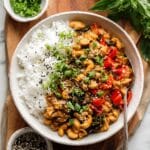
Gochujang Chicken Bowls Recipe
- Prep Time: 15 minutes
- Cook Time: 15 minutes
- Total Time: 30 minutes
- Yield: 4 servings 1x
- Category: Main Course
- Method: Stovetop
- Cuisine: Korean-inspired
Description
Sweet and Spicy Gochujang Chicken Bowls combine tender ground chicken cooked in a flavorful blend of gochujang, soy sauce, and aromatic spices, served over steamed rice and garnished with fresh basil, scallions, toasted sesame seeds, and cashews. This dish balances heat and sweetness for a satisfying and vibrant meal perfect for a weeknight dinner.
Ingredients
For the Sauce
- ½ cup filtered water
- ¼ cup low sodium soy sauce
- 2 to 3 tablespoons gochujang
- 1 tablespoon toasted sesame oil
- 2 tablespoons rice vinegar
- 2 tablespoons brown sugar or coconut sugar
- 1 tablespoon grated ginger
- 3 garlic cloves, minced
- 2 teaspoons arrowroot starch or cornstarch
For the Chicken
- 1 tablespoon toasted sesame oil
- 6 scallions, thinly sliced (white and green parts divided)
- 3 cloves garlic, minced
- 1 large red bell pepper, chopped
- ½ teaspoon kosher salt
- Freshly ground black pepper, to taste
- 1 pound lean ground chicken or turkey
- ⅓ cup roasted or toasted cashews
- ½ cup fresh Thai basil or sweet basil, torn
To Garnish
- Toasted sesame seeds
- Reserved scallions (green part only)
- Extra fresh torn basil
For Serving
- Cooked white or brown rice
Instructions
- Prepare the sauce: In a medium bowl, whisk together filtered water, low sodium soy sauce, gochujang, toasted sesame oil, rice vinegar, brown sugar (or coconut sugar), grated ginger, minced garlic, and arrowroot starch or cornstarch until well combined. Set the sauce aside to allow flavors to meld.
- Cook the chicken and vegetables: Heat 1 tablespoon of toasted sesame oil in a large skillet over medium heat. Once hot, add the white parts of the thinly sliced scallions, chopped red bell pepper, and minced garlic. Season with ½ teaspoon kosher salt and freshly ground black pepper to taste. Cook, stirring occasionally, for 2 to 3 minutes until the vegetables begin to soften. Push the peppers to the sides of the pan and add the ground chicken. Break up the meat quickly with a spatula and cook, stirring occasionally, for about 5 to 6 minutes or until the chicken is no longer pink.
- Stir in the sauce: Reduce the heat to low. Add the roasted cashews and pour in the prepared sauce. Stir occasionally and cook for an additional 2 to 4 minutes to let the sauce thicken and flavors to develop. Remove the skillet from heat and stir in torn basil leaves, or reserve them for garnishing based on preference.
- Garnish and serve: Spoon the sweet and spicy chicken mixture warm over bowls of cooked white or brown rice. Garnish with toasted sesame seeds, sliced green scallion parts, and extra fresh torn basil for added aroma and color. Serve immediately.
Notes
- To make this dish vegetarian, substitute ground chicken with a can of rinsed and drained chickpeas or crumble extra firm tofu; cook using the same method.
- If using chicken breast, cube the chicken and cook it separately in sesame oil seasoned with salt and pepper until done. Remove and set aside while sautéing vegetables, then combine the chicken with the vegetables before adding the sauce.
- Adjust the amount of gochujang according to your preferred spice level, starting with 2 tablespoons for milder heat.
- For extra flavor, consider adding a squeeze of fresh lime or a drizzle of honey to balance the sauce.
- Use brown rice or cauliflower rice as lighter serving options.
Nutrition
- Serving Size: 1 bowl (approximate)
- Calories: 380 kcal
- Sugar: 8 g
- Sodium: 550 mg
- Fat: 18 g
- Saturated Fat: 2.5 g
- Unsaturated Fat: 12 g
- Trans Fat: 0 g
- Carbohydrates: 25 g
- Fiber: 3 g
- Protein: 30 g
- Cholesterol: 75 mg

Your email address will not be published. Required fields are marked *