

If you’re craving a classic Chinese takeout favorite at home, you’re going to love this Cantonese Chow Mein Stir Fry Recipe. It’s straightforward, satisfying, and packed with those crispy, savory flavors that make chow mein such a hit. I absolutely love how this recipe balances tender noodles with a slight crispiness and fresh veggies, all coated in a luscious sauce. Stick around, because I’m sharing my best tips to help you nail it every single time!
Why You’ll Love This Recipe
- Super Quick to Make: You’ll have a delicious meal ready in about 15 minutes—perfect for busy weeknights.
- Authentic Cantonese Flavors: The sauce is rich and balanced, with the perfect umami punch that’ll remind you of your favorite takeout spot.
- Crispy and Tender Noodles: You get that amazing contrast between crispy edges and chewy noodles—once you try this technique, you won’t go back.
- Customizable Veggies: You can swap in your favorites or whatever you have on hand, making it a flexible dish everyone loves.

Ingredients You’ll Need
The mix of fresh Hong Kong-style egg noodles with crunchy bean sprouts and scallions gives this Cantonese Chow Mein Stir Fry Recipe its signature texture and flavor. Using the right noodles and a balanced sauce is key, so here’s what I always keep stocked for this dish.

- Chow Mein Egg Noodles: Fresh, thin Hong Kong-style noodles give you that tender and chewy bite you want; avoid dried if possible.
- Yellow Onion: Thinly sliced, it adds sweetness and depth when quickly sautéed.
- Green Onions: Use both whites and greens—they add freshness and aroma.
- Bean Sprouts: These bring crunch and lightness to balance the rich noodles.
- Corn Oil or Neutral Oil: Ideal for high-heat stir-frying without burning.
- Sesame Oil: Added at the end for that signature nutty finish.
- Dark Soy Sauce: Gives a deep, intense flavor and beautiful color.
- Regular Soy Sauce: Adds the salty, umami base.
- Oyster Sauce: Brings a subtle sweetness and richness.
- Fish Sauce: A tiny bit amps up the umami without a fishy taste.
- Granulated Sugar: Balances the savory sauces with a touch of sweetness.
- Water: Thins the sauce slightly so it coats everything just right.
Variations
One of the things I love about this Cantonese Chow Mein Stir Fry Recipe is how easy it is to customize. Feel free to experiment depending on your mood or pantry—this dish is flexible and forgiving!
- Protein Boost: I’ve tossed in thinly sliced chicken breast or shrimp for an extra hearty meal that my family adores.
- Veggie Swap: Mushrooms, bell peppers, or snow peas all work beautifully if you want to add more color and nutrients.
- Spicy Kick: A splash of chili oil or fresh sliced chilies takes this recipe to the next level if you like a little heat.
- Gluten-Free Version: Use rice noodles and tamari instead of soy sauce to suit dietary needs. I’ve done this before and it still turns out great!
How to Make Cantonese Chow Mein Stir Fry Recipe
Step 1: Soften the Noodles Just Right
First, you want to pour boiling water over the fresh chow mein noodles just until they soften, about 30 seconds to a minute. This keeps them tender but not mushy, which is essential because you’ll crisp them up later. Drain well and set aside. Trust me, this is the biggest trick to getting perfect texture!
Step 2: Whisk Together the Stir Fry Sauce
Mix your dark soy sauce, regular soy sauce, oyster sauce, fish sauce, sugar, and water in a small bowl. Stir until the sugar dissolves completely. This sauce is magnetic—a balance of sweet, salty, and umami. I usually taste it once mixed to adjust sweetness if needed.
Step 3: Sauté the Aromatics to Build Flavor
Heat a tablespoon of corn oil in your wok over medium-high heat until shimmering. Toss in the thinly sliced yellow onion and the white parts of the green onions. Sauté for about a minute until fragrant and slightly softened, then remove them to a bowl to keep their upfront flavor separate from the noodles for now.
Step 4: Crisp the Noodles in the Pan
With another tablespoon of corn oil hot in the wok, add the softened noodles and spread them out thinly. Let them cook without stirring for about two minutes so they begin crisping. Flip the noodles, pour another tablespoon of oil around the edges, and cook for an additional two minutes. This is what gives you that addictively crispy bite I love!
Step 5: Bring It All Together with Veggies and Sauce
Add back your sautéed onions, both white and green parts of the green onions, bean sprouts, and your prepared sauce. Toss gently for 1-2 minutes until everything’s heated through and coated nicely. This is the moment the flavors marry, so taste and adjust seasoning if you want a touch more salt or sweetness.
Step 6: Finish with Sesame Oil and Serve Immediately
Turn off the heat, drizzle with sesame oil, and give everything one last gentle toss. Serve it hot and enjoy that warm, fragrant homemade feast. I recommend eating it right away to keep that wonderful crisp-tender texture!
Pro Tips for Making Cantonese Chow Mein Stir Fry Recipe
- Use Fresh Noodles: I’ve found fresh Hong Kong-style egg noodles are a game-changer compared to dried—don’t skip this if you can help it.
- Oil the Pan Well: Corn or neutral oil heats high without smoking; this helps you get that essential crispy noodle texture.
- Don’t Overcrowd the Wok: Cook in batches if needed to keep the heat high and avoid steaming the noodles.
- Add Sesame Oil Last: It loses its fragrance if cooked too long, so always drizzle right before serving.
How to Serve Cantonese Chow Mein Stir Fry Recipe

Garnishes
I love topping my chow mein with a sprinkle of toasted sesame seeds and some extra sliced green onions for color and crunch. Sometimes I add a few fresh cilantro leaves for brightness—it’s a little twist I picked up from a friend and it really elevates the dish.
Side Dishes
For a complete meal, I usually serve this with simple dishes like steamed bok choy with garlic or a light hot and sour soup. Some quick pickled cucumbers on the side also balance the richness perfectly. My family goes crazy for that combo!
Creative Ways to Present
For a special occasion, try plating the noodles nest-style and topping with crispy fried shallots or chili threads for a wow factor. I’ve also served it with a side of crispy fried wontons to make dinner feel fancy and fun—guests were impressed every time!
Make Ahead and Storage
Storing Leftovers
Store any leftovers in an airtight container in the refrigerator for up to 2 days. I recommend separating the noodles and veggies if possible, since the bean sprouts soften quickly—but honestly, even mixed it’s still quite tasty the next day.
Freezing
I don’t usually freeze chow mein because the noodles get a bit mushy after thawing, but if you must, freeze in portioned containers without the bean sprouts and reheat quickly in a hot pan to try and revive some texture.
Reheating
The best way to reheat leftovers is in a hot skillet with a teaspoon of oil, stirring frequently to warm everything evenly and restore a bit of crispness. Avoid microwaving if you can, as it makes the noodles gummy.
FAQs
-
Can I use dried noodles instead of fresh chow mein noodles?
You can use dried noodles if fresh ones aren’t available, but the texture will differ—they won’t crisp up as nicely and might be chewier. If you do use dried, soak them longer to fully soften before stir-frying, and be gentle to avoid breaking.
-
What makes Cantonese chow mein different from other chow mein recipes?
Cantonese chow mein typically features thinner, softer noodles that are pan-fried until crispy along the edges, combined with a simple yet flavorful sauce and fresh bean sprouts. This recipe focuses on that perfect crisp-tender balance that’s a hallmark of Cantonese style.
-
How can I make this recipe vegetarian or vegan?
To make this Cantonese Chow Mein Stir Fry Recipe vegetarian, simply omit the fish sauce and oyster sauce or replace them with vegetarian substitutes like mushroom soy sauce. The flavor will still be rich and satisfying!
-
Why is it important to add sesame oil at the end?
Sesame oil is delicate and fragrant but loses its aroma when cooked at high heat. Adding it at the end ensures you get that wonderful nutty fragrance that complements the dish perfectly.
Final Thoughts
When I first tried this Cantonese Chow Mein Stir Fry Recipe, I honestly couldn’t believe how simple it was to recreate that delicious takeout flavor at home. Since then, it’s become a go-to comfort meal in my kitchen because it’s quick, flavorful, and endlessly adaptable. I’m confident you’ll enjoy making it just as much—and once you master the crisping technique, you’ll impress everyone at your dinner table. So go ahead, give this recipe a try and treat yourself to that perfect bowl of chow mein tonight!
Print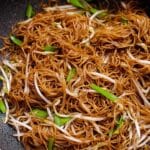
Cantonese Chow Mein Stir Fry Recipe
- Prep Time: 5 minutes
- Cook Time: 10 minutes
- Total Time: 15 minutes
- Yield: 2 servings 1x
- Category: Main Dish
- Method: Stovetop
- Cuisine: Cantonese
Description
This Cantonese Chow Mein recipe features thin, fresh Hong Kong-style egg noodles stir-fried to a perfect crispiness and tossed with savory soy-based sauce, crunchy bean sprouts, and aromatic onions. Quick and flavorful, it’s a classic stir-fried noodle dish that combines textures and rich umami notes in every bite.
Ingredients
Noodles and Vegetables
- 12 oz chow mein egg noodles, thin fresh noodles, Hong-Kong style
- ½ small yellow onion, thinly sliced
- 5 stalks green onions, cut into 2-inch pieces, whites and greens divided
- 2 cups bean sprouts
Oils
- 3 tablespoons corn oil (or any neutral oil), divided
- 1 teaspoon sesame oil (to finish)
Stir Fry Sauce
- 2 tablespoons dark soy sauce
- 1 tablespoon regular soy sauce
- 1 tablespoon oyster sauce
- ½ teaspoon fish sauce
- 1 tablespoon granulated sugar
- 1 tablespoon water
Instructions
- Cook the noodles: Pour boiling water over the chow mein noodles and soak them for 30 seconds to 1 minute until they soften. Drain the noodles thoroughly and set them aside to prepare for stir-frying.
- Make the sauce: In a small mixing bowl, combine dark soy sauce, regular soy sauce, oyster sauce, fish sauce, granulated sugar, and water. Stir until the sugar fully dissolves creating a balanced savory sauce.
- Sauté aromatics: Heat 1 tablespoon of corn oil in a wok over medium-high heat until hot. Add the thinly sliced yellow onion and the white parts of the green onions. Sauté for 1 minute to release their aroma and slight sweetness, then remove from the wok and set aside.
- Pan-fry the noodles: Add another tablespoon of corn oil to the wok and heat over medium-high heat until shimmering, about 2 minutes. Spread the cooked noodles in a thin layer and cook undisturbed for about 2 minutes to allow the base to crisp up. Flip the noodles over, drizzle the remaining tablespoon of oil around the perimeter of the wok, and cook for an additional 2 minutes until the noodles develop a golden crispy texture.
- Add the vegetables and sauce: Return the sautéed onions to the wok along with the green parts of the green onions and the bean sprouts. Pour in the prepared stir fry sauce and gently toss everything together for 1 to 2 minutes until evenly mixed and heated through. Taste and adjust seasoning if needed.
- Serve: Remove the wok from heat and drizzle 1 teaspoon of sesame oil over the chow mein. Toss to combine the fragrant oil, then transfer to serving plates. Serve immediately to enjoy the contrast of crispy noodles and fresh vegetables.
Notes
- Use fresh, thin chow mein egg noodles for authentic texture and flavor.
- Adjust the amount of soy and oyster sauce to your taste preference for saltiness and umami.
- Be careful not to over-soak the noodles, as they will continue cooking in the wok.
- For extra protein, add cooked shrimp, chicken, or tofu during the vegetable step.
- Use a well-seasoned wok or a large non-stick skillet to prevent sticking while crisping noodles.
- Fresh bean sprouts add crunch and freshness – avoid using frozen ones.
- Stir gently in the final steps to maintain the noodle crispiness as much as possible.
Nutrition
- Serving Size: 1 serving
- Calories: 420 kcal
- Sugar: 6 g
- Sodium: 900 mg
- Fat: 14 g
- Saturated Fat: 2.5 g
- Unsaturated Fat: 11 g
- Trans Fat: 0 g
- Carbohydrates: 60 g
- Fiber: 3 g
- Protein: 12 g
- Cholesterol: 0 mg

Your email address will not be published. Required fields are marked *