
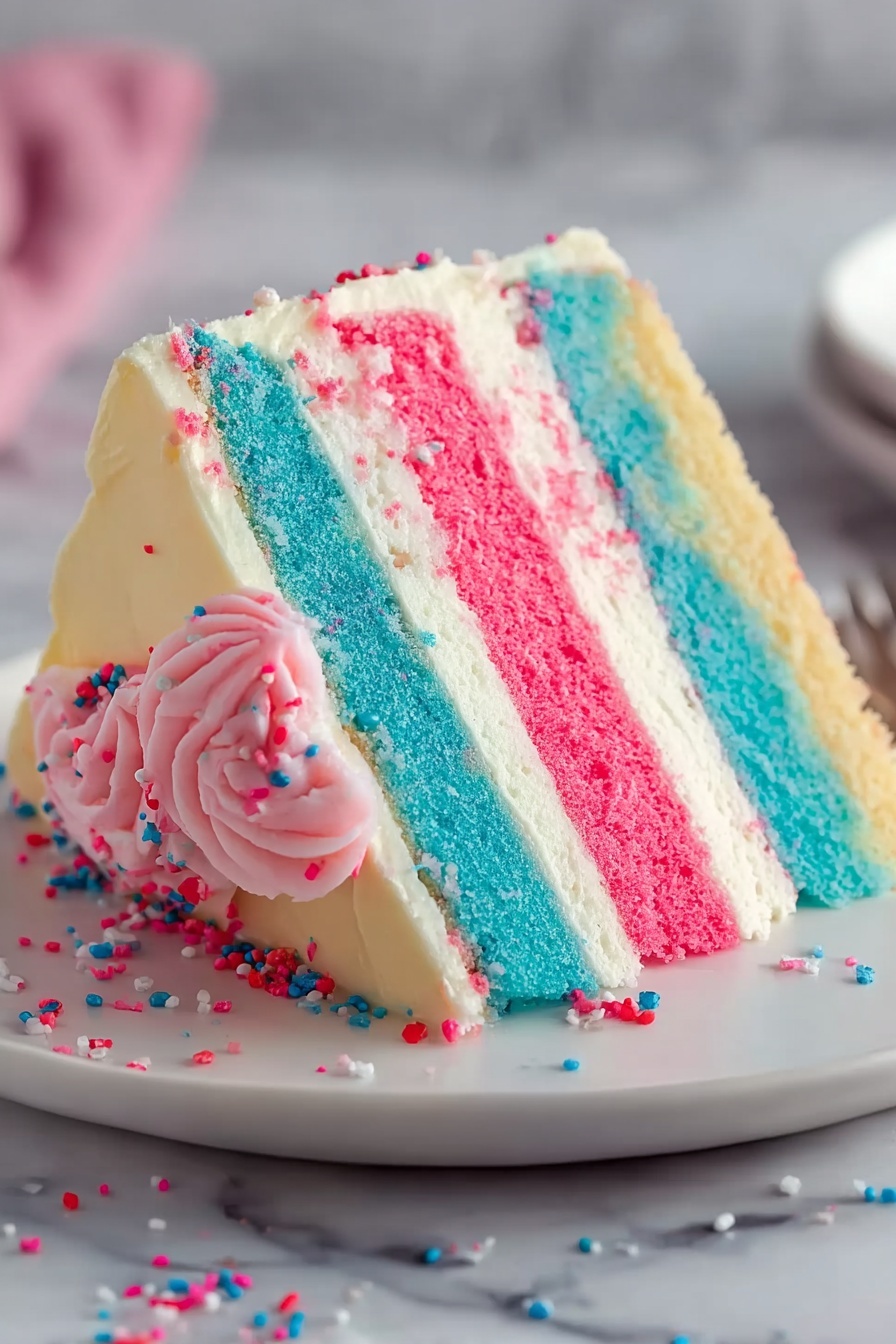
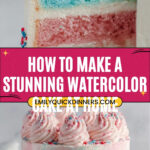
If you’ve ever wanted to make a show-stopping cake that looks like a work of art, then you’re in the right place! This Watercolor Cake Recipe is not only stunning but also surprisingly approachable, even if you’ve never tried cake decorating before. I absolutely love how this cake turns out — the soft, blended colors that swirl around the layers make every slice feel special. Whether you’re celebrating a birthday, a shower, or just want to impress your friends with your baking skills, this recipe has got you covered!
Why You’ll Love This Recipe
- Beautiful & Unique: The watercolor effect makes every cake look like a custom piece of edible art.
- Simple Ingredients: No fancy pantry items needed — just basics you probably have on hand.
- Easy to Personalize: Choose your favorite colors and flavors to make it truly yours.
- Fun & Rewarding: You’ll love the creative process and the wow-factor when you reveal the finished cake.

Ingredients You’ll Need
This Watercolor Cake Recipe uses a tender, moist cake base paired with creamy buttercream that’s perfect for blending and painting on the cake’s sides. I find that the combination of butter and oil in the batter keeps the crumb so soft, while the sour cream adds a slight tang that balances the sweetness.
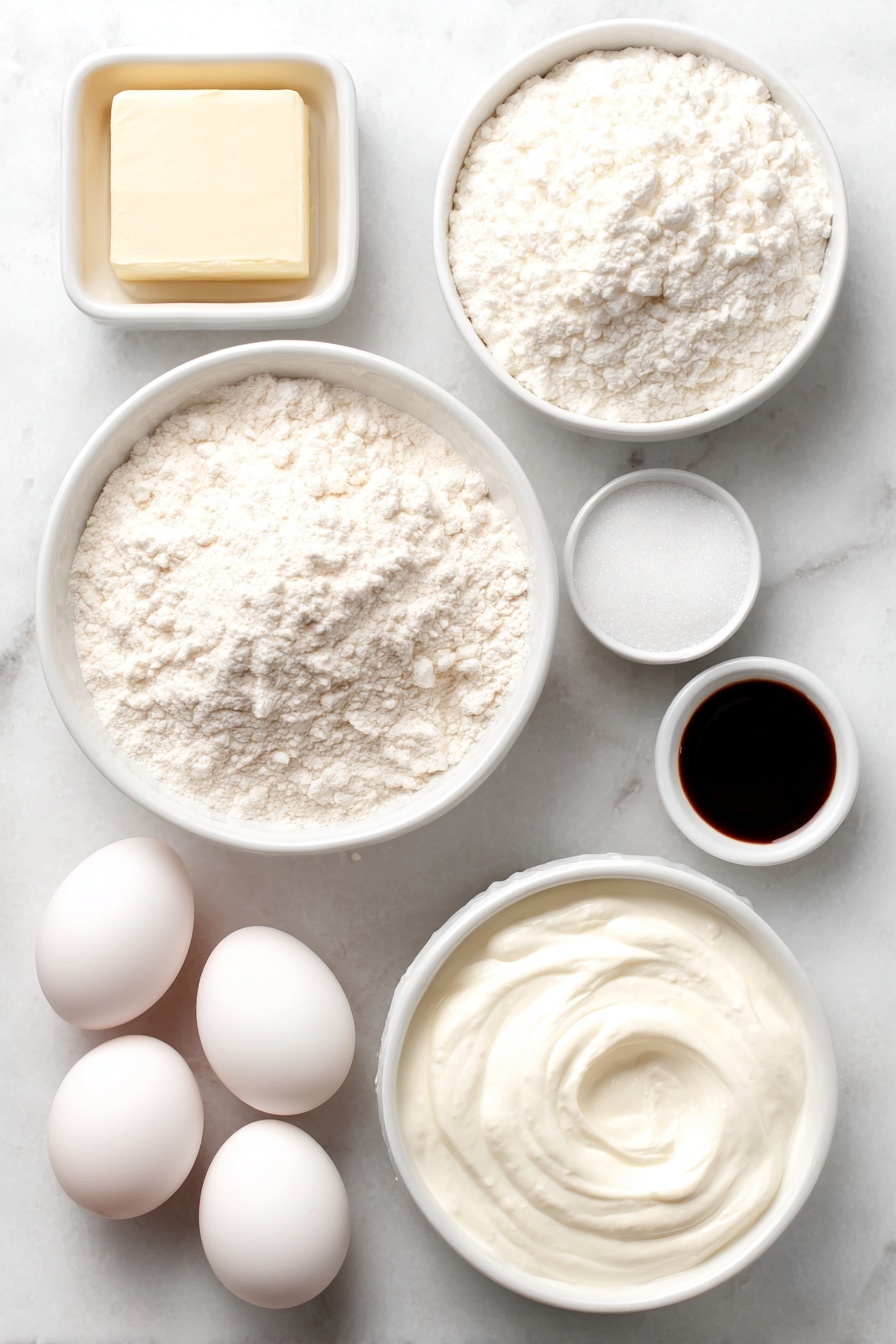
- Unsalted butter: Using room temperature butter helps it cream perfectly with sugar for a fluffy base.
- Vegetable oil: Adds moisture and keeps the cake soft without weighing it down.
- Granulated sugar: Sweetens the cake and assists with that tender crumb you want.
- Clear vanilla extract: Keeps the buttercream pure white — important for vibrant colors.
- All-purpose flour: Provides the structure; sift it well if you can for the lightest texture.
- Baking powder & salt: These help your cake rise and balance flavors.
- Sour cream: Adds moisture and a subtle tang — don’t skip this!
- Large egg whites: Beaten to stiff peaks for a lighter, airier batter.
- Gel food coloring: Key for vibrant watercolor effects — gel works best over liquid colors.
- Powdered sugar: For a silky-smooth buttercream that’s not too sweet.
- Heavy whipping cream: Adds creaminess and helps adjust buttercream consistency.
- Decorating tools: Offset spatulas, piping bags, Wilton 1M tip, and a bench scraper make the watercolor technique manageable.
Variations
One of the best things about this Watercolor Cake Recipe is how easily you can make it your own! Whether it’s switching up colors for a theme or tweaking ingredients for dietary needs, this recipe is a great base to experiment with.
- Dairy-Free Twist: I’ve swapped sour cream for coconut yogurt and used dairy-free butter with great success — the texture is a bit different but still delicious for vegan friends.
- Flavor Variations: I sometimes add lemon zest or substitute vanilla with almond extract for a delicate change that pairs beautifully with the watercolor look.
- Color Themes: I like using pastel hues for baby showers but you can go bold with neon or seasonal colors for birthdays or holidays.
- Mini Cakes: Instead of big layers, try making mini cakes or cupcakes with the same buttercream painting technique for a fun party platter.
How to Make Watercolor Cake Recipe
Step 1: Prep & Mix Your Batter
Start by preheating your oven to 350°F (175°C) and preparing four 8-inch cake pans with butter, flour, and parchment paper — trust me, lining these pans is a game-changer for perfect release. Cream the room temperature butter in your stand mixer until it’s smooth, then add the sugar and oil. I like to stop periodically and scrape down the bowl so everything blends evenly. Stir in your clear vanilla extract last before mixing your dry ingredients (flour, baking powder, salt) separately. Alternate folding the dry mix and sour cream into the wet batter for a smooth, thick consistency. This back-and-forth mixing helps avoid overworking the flour, keeping your cake tender.
Step 2: Whip Egg Whites & Fold into Batter
Separately, beat your egg whites to stiff peaks — this step is crucial for a light, airy cake! I remember the first time I skipped this and my cake turned out dense, so don’t skip or under-whip. Gently fold the whites into your batter using a spatula with care; over-mixing here can deflate the airy texture. If you’re using gel coloring, divide the batter into portions and fold in your colors gently at this stage.
Step 3: Divide & Bake Your Layers
Use a kitchen scale to evenly divide your colored batters into the prepared pans — this helps with even layers and a neat watercolor effect once stacked. Bake for 35-40 minutes until a toothpick comes out clean. I always rotate my pans halfway through baking because it’s the little things that prevent one side from browning too much. Let your cakes cool fully on wire racks before frosting.
Step 4: Whip Up Your Buttercream
Cream the butter until it’s silky smooth, then add the powdered sugar in halves along with a splash of vanilla and some salt. I use heavy cream to reach the perfect spreadable consistency — too stiff, and it’s hard to paint the frosting; too soft, and it won’t hold shape. Split your frosting into three bowls, keeping one white and coloring the other two. These colors will be your “paint” later on.
Step 5: Stack, Crumb Coat & Chill
Stack your cooled cake layers with a thin layer of frosting in between each one. Once stacked, apply a thin crumb coat all over the cake to seal in crumbs. Chill the cake for about 30 minutes — this step is essential because it gives you a nice firm base to work on when adding your watercolor frosting design.
Step 6: Create the Watercolor Effect
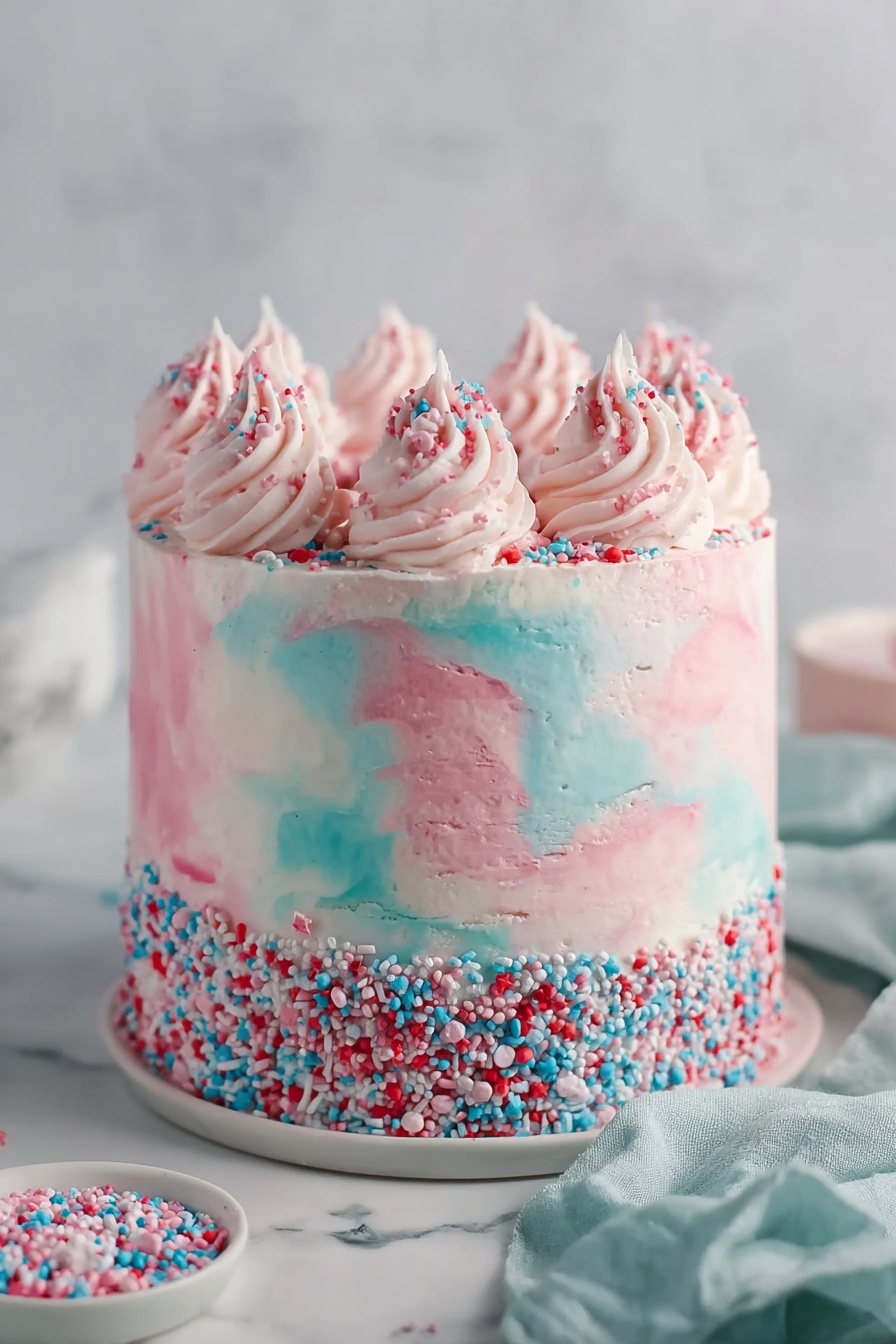
This is the fun part! Using offset spatulas, dollop small blobs of your colored buttercreams around the sides of the cake. Don’t fret about covering every inch; the gaps are part of the charm. Then, take your bench scraper and gently smooth over the frosting, blending the colors softly together to mimic a watercolor painting. Add more dollops as needed to fill in spots and scrape again. Finish by piping pretty swirls on top with a Wilton 1M tip and decorate with sprinkles if you want an extra touch of whimsy.
Pro Tips for Making Watercolor Cake Recipe
- Use a Scale for Even Layers: I always weigh my batter for each pan to avoid uneven cake thickness — it really takes the stress out of stacking later.
- Gel Food Coloring Over Liquid: Gel colors won’t thin your buttercream like liquid dyes can, so your frosting stays perfect for sculpting and painting.
- Chill Between Steps: Don’t rush chilling times — a cold crumb coat makes the watercolor painting easier and tidier.
- Gentle Folding: When mixing egg whites or colors, fold carefully to keep that light texture and vibrant color contrast.
How to Serve Watercolor Cake Recipe
Garnishes
I usually keep the garnishes simple to let the watercolor design shine, but a sprinkle of edible glitter or pastel-colored sprinkles adds just the right amount of sparkle without overwhelming the look. Fresh flowers or small fondant butterflies also make beautiful, natural accents for special occasions.
Side Dishes
Because this cake is rich and buttery, I like pairing it with fresh berries or a light fruit salad to cut through the sweetness. A dollop of whipped cream or a scoop of lemon sorbet on the side adds a refreshing contrast that guests always appreciate.
Creative Ways to Present
For parties, I’ve served this watercolor cake on a simple white cake stand to really highlight its colors. Another time, I wrapped a matching silk ribbon around the base for a bridal shower — the colors tied in beautifully with the theme. If you want to impress, try layering edible gold leaf in small patches on the icing for a luxe finish that looks stunning in photos.
Make Ahead and Storage
Storing Leftovers
I usually keep leftover Watercolor Cake covered in an airtight container in the fridge. It stays moist and fresh up to 3-4 days. Just make sure your cake is well wrapped to prevent it from absorbing any odors.
Freezing
If you want to freeze slices, I recommend wrapping them tightly in plastic wrap and placing them in a freezer-safe bag. From my experience, the buttercream and cake maintain their flavor well for up to a month. Thaw overnight in the fridge before serving for best texture.
Reheating
Since cakes are best served at room temperature, I let slices sit out for about 30 minutes before eating. If you like your cake warm, a quick 10-second zap in the microwave (covered with a damp paper towel) works fine — just be careful not to melt the buttercream.
FAQs
-
Can I make this Watercolor Cake Recipe without a stand mixer?
Absolutely! While a stand mixer makes creaming and whipping easier, you can use a hand mixer or even whisk by hand if you have strong arms. Just be patient when beating the egg whites to stiff peaks — it might take a bit longer.
-
What if I don’t have a bench scraper or offset spatulas?
No worries! You can use a flat knife or the back of a large spoon to smooth the frosting and create the watercolor effect. It might not be as precise, but the effect will still be gorgeous.
-
How vibrant should I make the gel food coloring?
I like to start with a small amount of gel coloring and gradually add more to get a bright but slightly translucent tint — this helps the watercolor effect look soft and beautiful without being too harsh or cartoonish.
-
Can I use this recipe for cupcakes?
You sure can! Bake the batter in cupcake liners and use the same watercolor technique by applying small blobs of colored frosting swirled on top. It’s a fun way to make your cupcakes feel special and artistic.
-
How long does the watercolor effect last once decorated?
When stored properly in the fridge, the watercolor buttercream looks fresh for up to 3-4 days. The colors may soften slightly but the beautiful blended look remains intact.
Final Thoughts
This Watercolor Cake Recipe has quickly become one of my favorites to make and share. It’s the perfect blend of art and baking, letting you customize colors while still delivering on texture and flavor. I love how my family goes crazy for the look and taste every single time, and honestly, I get a bit of pride knowing I made something that looks this good! So, if you’re ready to make something truly special that feels like a masterpiece and tastes divine, give this recipe a try — you’ll be amazed at what you can create with just a few simple ingredients and a little bit of creativity.
Print
Watercolor Cake Recipe
- Prep Time: 30 minutes
- Cook Time: 35-40 minutes
- Total Time: 2 hours 35 minutes
- Yield: Four 8-inch round cake layers, serving 12-16 people 1x
- Category: Dessert
- Method: Baking
- Cuisine: American
- Diet: Vegetarian
Description
This Watercolor Cake recipe features moist, fluffy vanilla cake layers paired with a smooth, creamy buttercream frosting. The unique watercolor technique involves painting layers of colorful frosting on the cake’s exterior, creating a stunning and artistic finish perfect for special occasions or celebrations.
Ingredients
Cake
- 6 Tbsp unsalted butter, room temperature
- 2/3 cup vegetable oil (160ml)
- 2 cup granulated sugar (400g)
- 1 Tbsp clear vanilla extract
- 2 2/3 cup + 2 Tbsp all-purpose flour (345g)
- 1 Tbsp baking powder
- 1 tsp salt
- 1 cup sour cream
- 6 large egg whites, room temperature
- Gel food coloring (optional)
Buttercream
- 1 cup unsalted butter, room temperature
- 2 lbs powdered sugar
- 1 Tbsp clear vanilla extract
- 1/8 tsp salt
- 2/3 cup heavy whipping cream
- Gel food coloring
Decorating Tools
- Large & small offset spatulas
- Wilton 1M piping tip
- Piping bag (12in disposable recommended)
- Bench Scraper
Instructions
- Preheat and Prepare Pans: Preheat your oven to 350°F (177°C). Grease, flour, and line four 8-inch round cake pans with parchment paper to prevent sticking.
- Cream Butter: Using a stand mixer, cream the 6 tablespoons of unsalted butter until smooth and creamy.
- Add Sugar and Oil: Beat in 2 cups of granulated sugar and 2/3 cup vegetable oil until the mixture is well-combined and creamy. Scrape down the sides of the bowl as needed.
- Add Vanilla: Stir in 1 tablespoon of clear vanilla extract to the batter mixture.
- Mix Dry Ingredients: In a separate bowl, whisk together 2 2/3 cups plus 2 tablespoons all-purpose flour, 1 tablespoon baking powder, and 1 teaspoon salt.
- Alternate Adding Dry and Sour Cream: With the mixer on medium speed, gradually incorporate the flour mixture and 1 cup sour cream alternately, starting and ending with the flour mixture. Mix each addition until almost combined, scraping the bowl occasionally.
- Beat Egg Whites: In another bowl, beat the 6 large egg whites on high speed until stiff peaks form.
- Fold Egg Whites: Gently fold the egg whites into the batter with a spatula, ensuring a thorough but delicate mix to keep the batter airy.
- Add Color (Optional): If desired, divide the batter into two equal portions and fold in gel food coloring to create colored cake layers.
- Divide Batter and Bake: Evenly distribute the cake batter (colored or plain) among the prepared pans using a scale for accuracy. Bake at 350°F for 35-40 minutes, rotating pans halfway to ensure even baking. Cakes are done when a toothpick inserted in the center comes out clean or with a few crumbs.
- Cool Cakes: Remove cakes from oven and let them cool for 15 minutes in pans. Then remove from pans and cool completely on wire racks before frosting.
- Prepare Buttercream: Cream 1 cup unsalted butter in a stand mixer until smooth. Add half of 2 pounds powdered sugar, 1 tablespoon vanilla extract, 1/8 teaspoon salt, and 1/4 cup heavy cream; mix on low-medium speed. Scrape bowl, add remaining sugar and 1/2 cup heavy cream, and mix on medium-high speed until combined. Beat on high for 30 seconds. Adjust consistency by adding 1-2 tablespoons more cream if needed, then beat on high for 2 minutes until light and fluffy.
- Color Buttercream: Divide buttercream into three portions. Leave one portion white and tint the other two with different gel food coloring shades.
- Chill Cake Layers: Chill the cooled cake layers in the refrigerator for 30 minutes to make them easier to handle.
- Fill, Stack, and Crumb Coat: Use colored or plain buttercream to fill and stack the cake layers, then apply a thin crumb coat layer around the cake and chill.
- Paint the Cake: Using an offset spatula, place 1-2 tablespoon dollops of colored frosting around the sides of the cake in multiple spots with each color. Don’t worry about filling every gap as it will blend out.
- Smooth the Sides: Use a bench scraper to blend the dollops into a smooth surface. Add more dollops to fill any remaining holes and smooth again for a watercolor effect.
- Pipe Swirls: Fit a piping bag with a Wilton 1M tip, fill it with buttercream, and pipe decorative swirls on top of the cake.
- Decorate: Finish the cake with your favorite sprinkles or other edible decorations as desired.
Notes
- Using a scale for dividing batter ensures even cake layers for uniform baking and stacking.
- Do not overmix the egg whites into the batter to maintain cake fluffiness.
- Chilling the cake layers and crumb coat helps achieve a cleaner frosting application.
- The watercolor technique uses dollops of colored frosting blended with a bench scraper for an artistic cake finish.
- Gel food coloring is preferred for vibrant colors without affecting frosting consistency.
- Rotate pans halfway through baking to promote even cooking and browning.
Nutrition
- Serving Size: 1 slice (1/16 of cake)
- Calories: 480
- Sugar: 45g
- Sodium: 210mg
- Fat: 28g
- Saturated Fat: 16g
- Unsaturated Fat: 10g
- Trans Fat: 0.5g
- Carbohydrates: 55g
- Fiber: 1g
- Protein: 4g
- Cholesterol: 85mg
Your email address will not be published. Required fields are marked *