
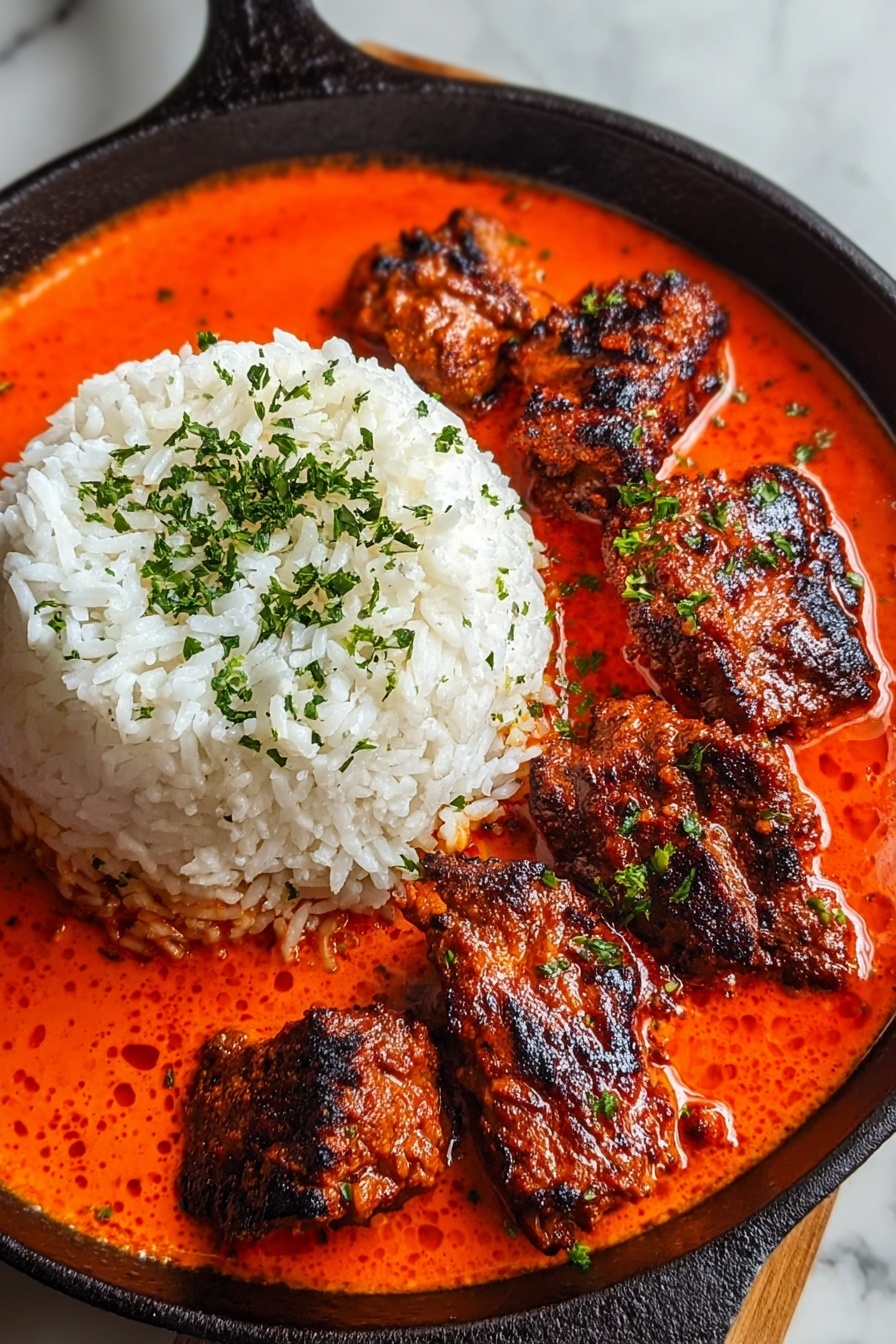
If you’ve ever craved a rich, comforting stew that packs a punch of spicy, smoky flavor, you’re going to adore this Nigerian Chicken Stew Recipe. I absolutely love how this stew transforms humble ingredients into a vibrant dish that feels like a warm hug on a plate. Stick with me, and I’ll walk you through every step to nail this stew in your kitchen — trust me, your taste buds and family will thank you!
Why You’ll Love This Recipe
- Deep, Authentic Flavors: The blend of spices and slow simmer develops a stew that’s bursting with genuine Nigerian taste.
- Simple Ingredients: You won’t need a dozen exotic items—everything comes together with accessible, fresh produce and spices.
- Versatile Meal: Whether you serve it with rice, plantains, or veggies, this stew fits easily into any dinner plan.
- Family Favorite: I discovered this recipe years ago, and now it’s a go-to for gatherings and weeknights alike!

Ingredients You’ll Need
The magic behind this Nigerian Chicken Stew Recipe is really in how each ingredient plays off the others — from the smoky paprika to the fiery scotch bonnet peppers. When shopping, I recommend picking fresh Roma tomatoes and good-quality bone-in chicken for the best taste and texture.
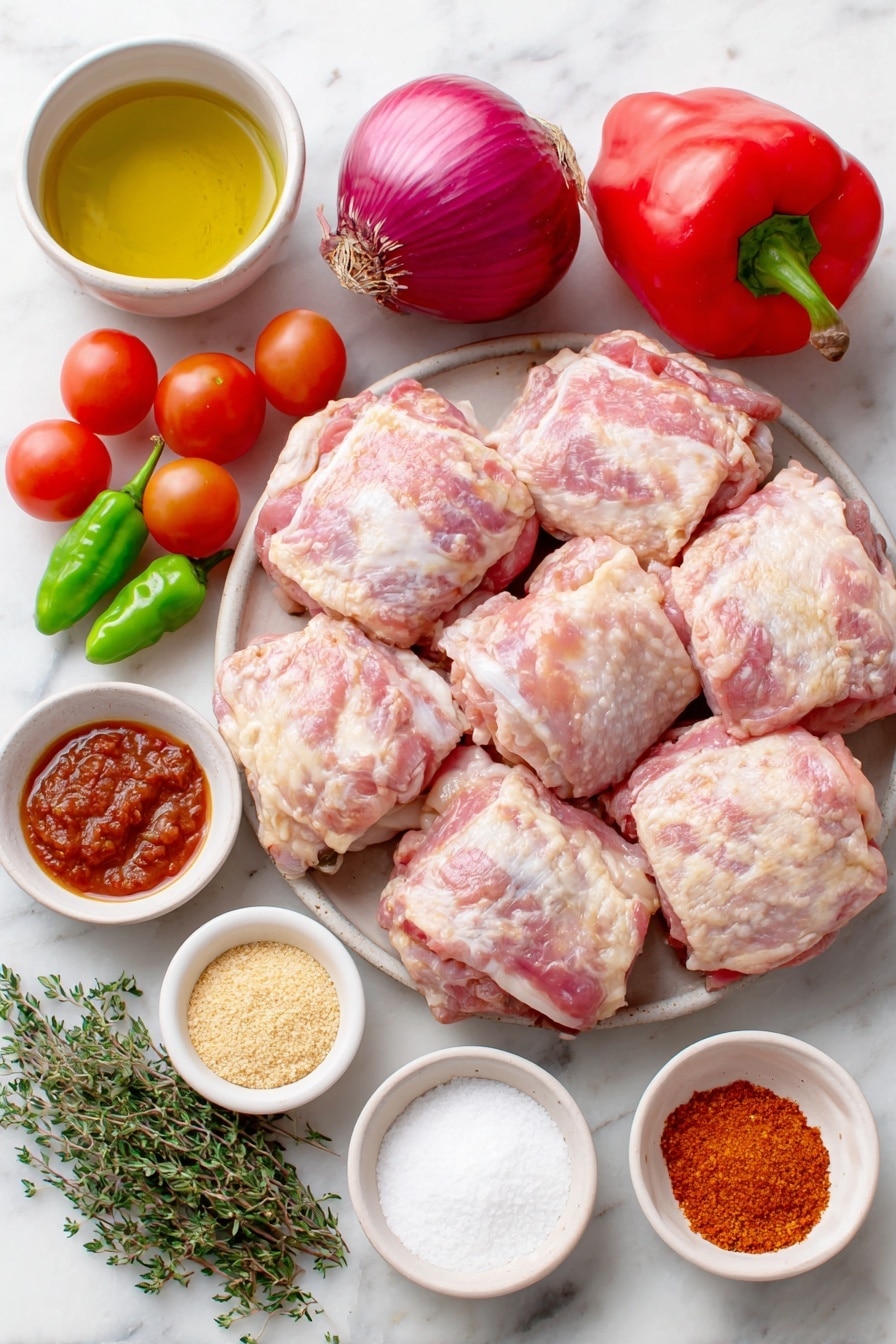
- Bone-in chicken (thighs or drumsticks): These cuts stay juicy and tender, absorbing the stew’s flavors beautifully.
- Salt: Essential for bringing out all those wonderful flavors.
- Black pepper: Adds just a subtle heat and depth to the chicken seasoning.
- Paprika: Gives a lovely smoky touch without overpowering.
- Curry powder: This adds warmth and a little complexity in the background.
- Thyme: Fresh or dried, it’s the herb that ties the stew’s aroma together.
- Onion: Both for seasoning the chicken and blending into the sauce; the sweetness balances the heat.
- Vegetable oil: For cooking the stew — neutral oil helps brown the chicken perfectly.
- Roma tomatoes: Choose firm, fresh ones for a thick and flavorful sauce.
- Red bell pepper: Adds slight sweetness and color.
- Red onion: Blended in for extra depth.
- Scotch bonnet peppers: The secret to vibrant heat — adjust quantity based on your spice tolerance.
- Tomato paste: Concentrated tomato flavor that gives the stew body and richness.
- Garlic powder: Adds warmth without overpowering fresh garlic’s bite.
- Ginger powder: Introduces a subtle zing that brightens the stew.
- Bouillon cube: Helps deepen the savory notes and rounds out the flavor.
- Salt: To taste, final seasoning after cooking.
Variations
One of the things I love most about this Nigerian Chicken Stew Recipe is how easy it is to personalize. Over time, I’ve experimented with little tweaks, and you should feel free to do the same based on what you love or what’s in season.
- Mild Version: If you’re not big on heat, drop to just one scotch bonnet or substitute with milder peppers – the flavor will still be vibrant.
- Extra Veggies: Adding chopped carrots or spinach towards the end can boost nutrition; my family never even notices the extra greens!
- Spicy Kick-up: For a bolder stew, try adding some smoked paprika or even a pinch of cayenne pepper for an extra layer of heat.
- Using Different Meat: You can swap chicken for turkey or even beef, adjusting cooking times accordingly.
How to Make Nigerian Chicken Stew Recipe
Step 1: Season Your Chicken to Perfection
I start by seasoning the chicken with salt, black pepper, paprika, curry powder, thyme, and chopped onions. This simple marinade flavors the meat deeply if you can let it rest for about 30 minutes—don’t skip this step! I usually do this while prepping other ingredients to save time. The onions add moisture and a gentle bite that complements the spices.
Step 2: Sear the Chicken for Ultimate Flavor
Heating your oil over medium-high heat, I sear the chicken pieces until they’re golden brown on all sides—this locks in juices and gives the stew a wonderful depth. Searing might look quick, but don’t rush it; a good crust makes all the difference. Once browned, set the chicken aside—it’ll finish cooking in the sauce.
Step 3: Blend the Tomatoes and Peppers for That Signature Sauce
This is where the stew gets its vibrant color and heat. Toss Roma tomatoes, red bell pepper, red onion, and scotch bonnet peppers into a blender until smooth. I learned that blending just enough to keep some texture adds a nicer mouthfeel, but if you prefer silky smooth, go for it! The freshest produce you can find really shines here.
Step 4: Cook the Sauce and Build Layers of Flavor
In the same skillet used for searing (hello, flavor!), fry your tomato paste for about 2 minutes to caramelize it slightly, which boosts richness. Pour in your blended sauce, lower the heat to medium, and let it simmer for 10 minutes. Then stir in garlic powder, ginger powder, the bouillon cube, and a pinch or two of salt. This step is where all the magic happens — don’t skip the slow cooking to develop those bold, complex flavors!
Step 5: Simmer Until Tender and Thickened
Return the seared chicken back to the pot, nestling it into the sauce. Simmer gently on low heat for 25-30 minutes until the chicken is cooked through and succulent and the stew’s thickened just right. I always poke the chicken to check tenderness here — if it falls off the bone easily, you’re golden. Keep an eye on the liquid level and add a splash of water if it looks too thick.
Pro Tips for Making Nigerian Chicken Stew Recipe
- Marinate Longer if Possible: If you have the time, let your chicken marinate for up to 2 hours to really soak up the spices.
- Use the Same Pan: Cooking the sauce in the chicken’s browned bits makes the flavors richer and more connected.
- Adjust Pepper to Taste: Scotch bonnets are fiery, so start with less if you’re new to this heat level.
- Don’t Rush the Simmer: Low, slow cooking means tender chicken and a more luscious sauce—patience pays off!
How to Serve Nigerian Chicken Stew Recipe
Garnishes
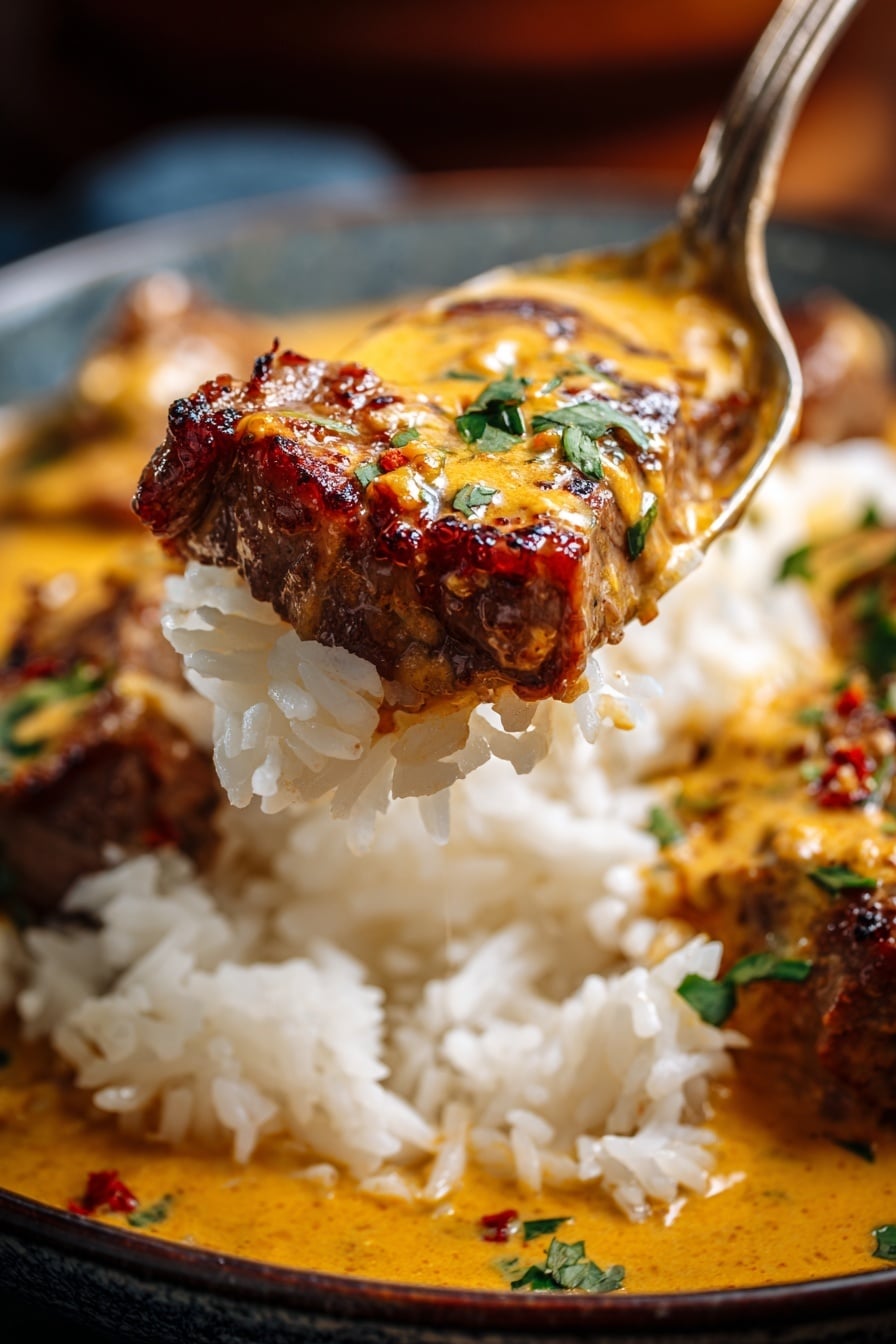
When I serve this stew, a sprinkle of fresh chopped cilantro or parsley adds a fresh pop of color and brightness that balances the deep flavors. Sometimes I also like a few thin slices of fresh chili on top for an extra visual kick and heat boost.
Side Dishes
I frequently serve this Nigerian Chicken Stew with steaming white rice or fluffy fried plantains to soak up every bit of that luscious sauce. When I want to keep it lighter, cauliflower rice works perfectly and adds a nice texture contrast.
Creative Ways to Present
For bigger gatherings, I like to present the stew in a rustic clay pot to keep it warm and authentic-looking. Layering it on a bed of jollof rice or even stuffing the stew inside toasted bread rolls are fun ideas I’ve tried for festive meals — they’re always a hit!
Make Ahead and Storage
Storing Leftovers
I usually let the stew cool completely before transferring leftovers to airtight containers. Stored in the fridge, it stays delicious for up to 3 days. I love that the flavors actually meld and deepen overnight — a perfect next-day lunch!
Freezing
Freezing this stew works beautifully. I portion it into freezer-safe containers or heavy-duty bags, and it keeps well for up to 3 months. Just thaw in the fridge overnight before reheating, and it tastes nearly as good as freshly made.
Reheating
To reheat, I warm it gently on the stovetop over low to medium heat, stirring occasionally. This prevents the chicken from drying out and helps the sauce regain its silky texture. Adding a splash of water or broth if it’s too thick helps keep it saucy and fresh.
FAQs
-
Can I use boneless chicken for Nigerian Chicken Stew?
Absolutely! Boneless chicken works fine, but bone-in cuts tend to stay juicier and add extra flavor to the stew as they simmer. If you use boneless, just be careful not to overcook it, as it can dry out more quickly.
-
How spicy is traditional Nigerian Chicken Stew?
Traditional Nigerian Chicken Stew can be quite spicy, largely depending on the number of scotch bonnet peppers used. These peppers bring a vivid heat, so you can adjust the quantity to suit your heat preference—from mild to fiery hot.
-
Can I make this stew in advance?
Yes! In fact, making it a day ahead enhances the flavors as they have time to meld. Just keep it refrigerated and gently reheat before serving.
-
What’s the best way to store leftover Nigerian Chicken Stew?
Store leftovers in an airtight container in the fridge for up to 3 days or freeze portions for longer storage. Reheat gently to keep the chicken tender and the stew flavorful.
-
Can I substitute scotch bonnet peppers?
If you can’t find scotch bonnet peppers, habaneros are a close substitute. For a milder alternative, try jalapeños or even mild chili peppers, keeping in mind the unique flavor scotch bonnets bring to Nigerian dishes.
Final Thoughts
This Nigerian Chicken Stew Recipe holds a special place in my kitchen because it’s like a little festival of flavors in every bite—comforting, vibrant, and absolutely delicious. It’s the kind of dish I’m excited to share with friends and family, and I’m confident you’ll enjoy it just as much. So why not grab those ingredients and give it a try? I promise, once you taste it, it’ll become one of your favorite go-to recipes too.
Print
Nigerian Chicken Stew Recipe
- Prep Time: 35 minutes
- Cook Time: 30 minutes
- Total Time: 1 hour 5 minutes
- Yield: 6 servings 1x
- Category: Stew
- Method: Stovetop
- Cuisine: Nigerian
Description
This Nigerian Chicken Stew is a flavorful and hearty dish featuring tender, bone-in chicken simmered in a rich tomato-pepper sauce. Infused with traditional spices like curry powder, thyme, and paprika, this stew is a staple comfort food perfect for pairing with white rice or fried plantains.
Ingredients
For the Chicken:
- 2.5 lbs bone-in chicken (thighs or drumsticks), cleaned
- 1 teaspoon salt
- 1/2 teaspoon black pepper
- 1 teaspoon paprika
- 1 teaspoon curry powder
- 1 teaspoon thyme
- 1 onion, chopped
- 1/4 cup vegetable oil
For the Tomato-Pepper Sauce:
- 4 large Roma tomatoes
- 1 large red bell pepper
- 1 small red onion
- 2 scotch bonnet peppers (or 1 for less heat)
- 2 tablespoons tomato paste
- 1 teaspoon garlic powder
- 1 teaspoon ginger powder
- 1 bouillon cube
- Salt to taste
Instructions
- Season the Chicken: Season the chicken with salt, black pepper, paprika, curry powder, thyme, and chopped onions. Allow the chicken to marinate for 30 minutes so the flavors meld well.
- Sear the Chicken: Heat vegetable oil in a large skillet over medium-high heat. Add the marinated chicken pieces and sear until browned on both sides to lock in juices and add depth of flavor. Remove and set aside.
- Prepare the Sauce: Blend the Roma tomatoes, red bell pepper, small red onion, and scotch bonnet peppers into a smooth mixture, creating the base for the stew.
- Cook the Sauce: In the same skillet, fry tomato paste for about 2 minutes to reduce acidity and deepen the flavor. Then add the blended tomato-pepper sauce, reduce heat to medium, and simmer for 10 minutes, allowing it to thicken and the flavors to develop.
- Season the Stew: Add garlic powder, ginger powder, crumble in the bouillon cube, and salt to taste. Stir well to combine all the seasonings evenly throughout the sauce.
- Simmer: Return the seared chicken pieces to the skillet with the sauce. Cover and simmer on low heat for 25 to 30 minutes or until the chicken is tender and the stew has thickened nicely.
- Serve: Once cooked through, serve the Nigerian Chicken Stew hot with white rice, fried plantains, or cauliflower rice for a delicious and satisfying meal.
Notes
- For less heat, reduce the number of scotch bonnet peppers to one or remove the seeds before blending.
- Bone-in chicken adds flavor and moisture, but boneless can be used if preferred; adjust cooking time accordingly.
- Adjust salt and spices to taste, especially if using low-sodium bouillon cubes.
- This stew tastes even better the next day as flavors continue to meld.
- Use fresh tomatoes if possible for the best flavor, but canned can be substituted in a pinch.
Nutrition
- Serving Size: 1 serving (approx. 1/6th of recipe)
- Calories: 350 kcal
- Sugar: 7 g
- Sodium: 550 mg
- Fat: 18 g
- Saturated Fat: 3.5 g
- Unsaturated Fat: 12 g
- Trans Fat: 0 g
- Carbohydrates: 12 g
- Fiber: 3 g
- Protein: 35 g
- Cholesterol: 90 mg

Your email address will not be published. Required fields are marked *