

If you’ve ever wandered through bustling Indian street markets, you know that nothing quite matches the burst of flavor in a perfect pani puri. That’s exactly why I’m so excited to share this Authentic Pani Puri Recipe with you — it’s fan-freaking-tastic and honestly, a joy to make right in your own kitchen. From crispy puris to tangy, spicy jaljeera, you’ll find everything you crave in one delicious bite. Stick with me, and I’ll help you nail it, step by step!
Why You’ll Love This Recipe
- Crisp & Puffy Puris Every Time: Thanks to a few key dough tips I’m sharing, you’ll get those perfect airy puris that everyone adores.
- Fresh, Zesty Jaljeera Water: This recipe uses fresh mint, coriander, and a balance of tangy flavors I discovered is the secret to authentic street-style pani.
- Make it Your Own: I’ve included easy variations so you can tweak the spice and sweetness to suit your tastes.
- Fun, Interactive Eating Experience: This recipe brings the joy of assembling and eating pani puri with friends and family right to your home kitchen.

Ingredients You’ll Need
These ingredients come together beautifully to create that perfect balance of crunchy, spicy, tangy, and sweet you want in an Authentic Pani Puri Recipe. I always recommend getting fresh herbs and good quality spices for the best flavor.
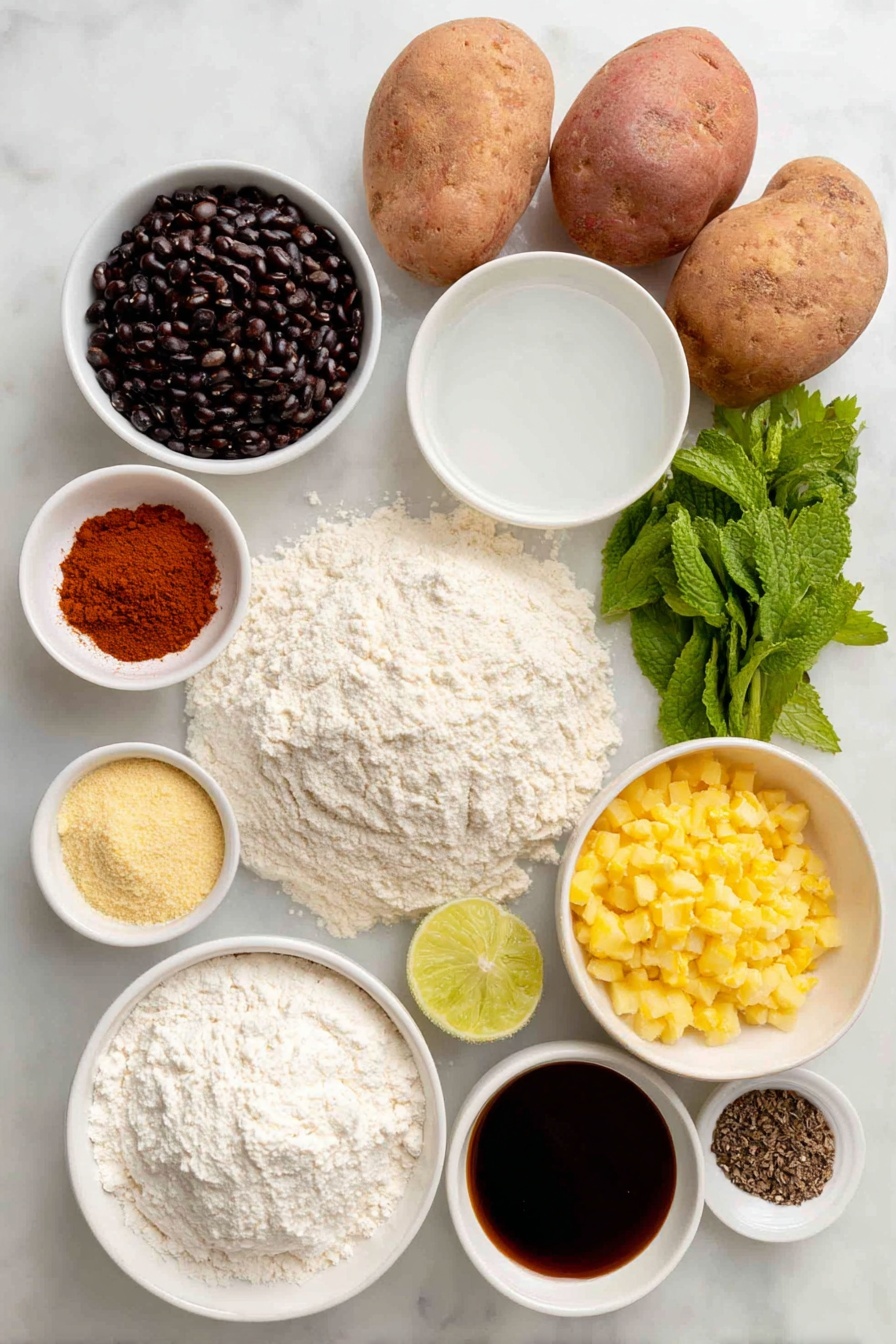
- Sooji (Semolina): Provides structure and crispiness to the puris; important for puffing up properly.
- Atta (Whole Wheat Flour): Helps bind the dough with a little nutty flavor.
- Potatoes: Boiled and mashed, these create a creamy filling base.
- Kala Chana or Kabuli Chana: Adds protein and texture; boiled and mashed lightly.
- Black Salt: Gives that characteristic sour tang essential to pani puri.
- Roasted Jeera Powder: Ground cumin adds a warm earthiness to the filling and pani.
- Red Chilli Powder: Adjust this based on your heat preference.
- Raw Mango or Tamarind: Either works to provide the bright, tangy base for the jaljeera pani.
- Green Chillies or Serrano Peppers: Fresh heat — you can scale this up or down.
- Pudina (Mint) Leaves: Fresh and cooling, a must-have for the pani.
- Coriander Leaves: Adds herbal freshness to the water.
- Peppercorns and Jeera (Cumin): Whole spices for blending to build layers of flavor.
- Sugar: Just a hint to balance the tang and spice in the pani.
- Soaked Boondi: Optional for garnish, adds a sweet and crunchy touch.
- Sweet Tamarind Chutney: A classic drizzle to give extra sweet and tangy balance.
Variations
I love to customize this Authentic Pani Puri Recipe depending on who’s coming over or what I have in the pantry. Trust me, a little tweak here and there can make this snack even more special!
- Using Sweet Tamarind or Date Chutney: When I add a drizzle of homemade tamarind date chutney, my family goes crazy for that extra layer of sweetness mixed with the tangy pani.
- Spice Level Adjustment: Some friends like it super spicy, while others prefer it mild. I usually keep green chillies moderate and offer extra chili powder on the side.
- Alternative Fillings: For a twist, you can try sprouted moong beans or even chopped raw onions for crunch and freshness.
- Gluten-free Option: Swap out atta (whole wheat flour) with rice flour or chickpea flour if you’re avoiding gluten. It changes the texture but still tastes great.
How to Make Authentic Pani Puri Recipe
Step 1: Making the Puris – The Heart of the Dish
Start by mixing sooji and atta. I use hot—but not boiling—water to bring the dough together. It needs to be stiff and smooth, so don’t rush the kneading; I usually take about 5-6 minutes. Then, cover the dough with a damp cloth (not dripping wet!) and let it rest for 20-25 minutes—this helps the semolina soften just right.
After resting, knead again briefly and divide the dough into four parts. Roll one into a long rope, then cut blueberry-sized pieces. Rolling these tiny balls into thin circles makes all the difference—if they’re too thick or uneven, the puris won’t puff up well.
Here’s a trick I learned: place the rolled puris on a thick plastic sheet covered with a dry cloth to keep them from sticking. You can either roll each puri individually or roll a large sheet and cut with a cookie cutter for uniform shapes.
Step 2: Frying the Puris to Perfection
Heat oil until it’s very hot but not smoking—refined sunflower oil works wonderfully here. The key is dropping the puri with the side that touched the plastic sheet going into the oil first. Immediately press it gently with a slotted spoon. When it puffs up, flip and press lightly to ensure even golden browning.
The first puri or two are your testers—the oil temperature needs to be just right. Too hot and the puris burn on the outside without puffing, too cool and they’ll absorb too much oil and turn soggy. Once you get the hang of it, fry all your puris and let them cool completely before storing in an airtight container.
Step 3: Preparing the Spiced Aloo Filling
Lightly mash the boiled potatoes and black or white chickpeas by hand—I like leaving some texture rather than a complete mash. Mix in black salt, roasted jeera powder, and red chili powder to make a flavorful filling that balances the spicy and savory notes perfectly.
Step 4: Crafting the Magical Jaljeera Pani
Blend raw mango or tamarind with green chillies, fresh pudina, coriander leaves, peppercorns, cumin, red chili powder, black salt, and a pinch of sugar. Use about 2 cups of water to blend it smooth. Straining the mixture through a muslin cloth or fine sieve helps achieve that silky pani without pulp which can clog the puris when you’re eating them.
Add another glass of water to the extracted juice and then taste to adjust: sometimes I add lemon juice if more tartness is needed, or extra black salt to hit that perfect zing. Chill the pani thoroughly — trust me, the cold pani makes the whole eating experience magical.
If you like, toss in some soaked boondi right before serving for an extra burst of texture.
Step 5: Assemble and Enjoy!
Just before serving, gently poke a hole in a puri with your thumb, stuff it with the aloo filling, and dip (or pour) jaljeera pani inside. Add a little sweet tamarind chutney if you like. The key is popping it in your mouth immediately before the puri gets soggy — trust me, this is where the fun begins!
Pro Tips for Making Authentic Pani Puri Recipe
- Test Your Oil Temperature: Before deep frying, always drop one puri to check for the perfect puff and golden color—this avoids wasting any dough.
- Keep Puris Covered But Dry: Cover rolled puris with a dry cloth to prevent drying out but avoid a wet covering that makes them soggy.
- Adjust Spice Gradually: When blending jaljeera pani, taste progressively and adjust lemon and salt carefully since mangoes and tamarind vary in sourness.
- Serving Timing: Don’t stuff all puris at once to prevent sogginess—prepare and serve in small batches to keep things crisp and fresh.
How to Serve Authentic Pani Puri Recipe
Garnishes
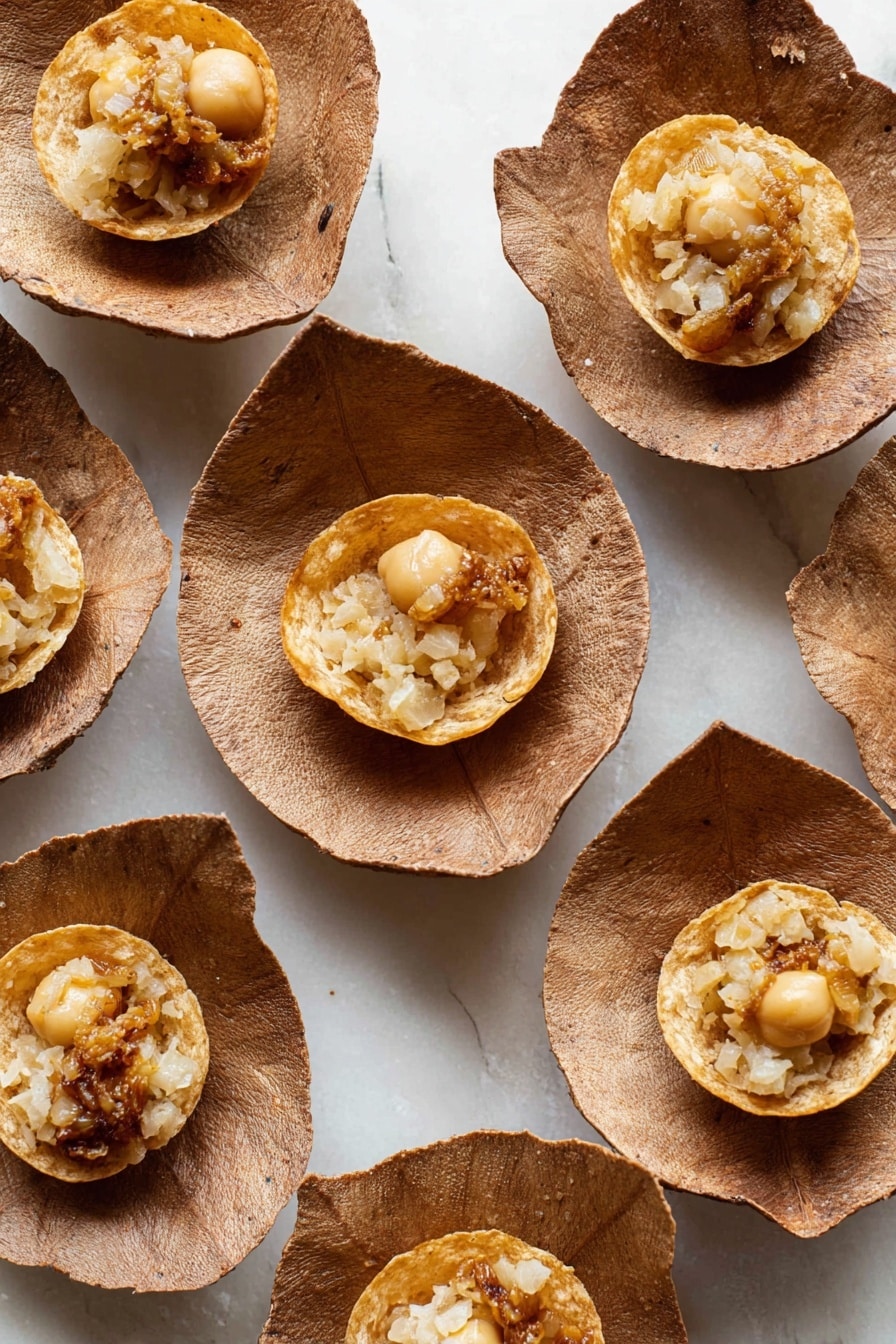
I like to add a handful of soaked boondi on top of the pani before serving—it adds a lovely texture contrast and sweetness that sings with the salty and spicy flavors. Fresh mint leaves and some finely chopped coriander sprinkled over the plate also brighten up the dish visually and flavor-wise.
Side Dishes
While pani puri is a snack on its own, I love pairing it with a simple yogurt raita or a lightly fried potato samosa for a bit of extra indulgence. A chilled glass of sweet lassi or mango juice also complements the spicy pani perfectly.
Creative Ways to Present
For parties, I like to serve the puris artistically on a large platter with small bowls of aloo filling, jaljeera pani, tamarind chutney, and garnishes arranged around. Guests love assembling their own puris—it turns the whole experience into a lively get-together moment. You can even try clear glass bowls for the pani to show off its vibrant green color!
Make Ahead and Storage
Storing Leftovers
The puris keep best when completely cooled and stored in an airtight container at room temperature; this way they stay crisp for a couple of days. I avoid refrigerating puris as they tend to lose their crunch and become chewy.
Freezing
While I haven’t personally frozen the puris, you can try freezing the dough before rolling and frying. Wrap it tightly and thaw fully before rolling to maintain texture. The jaljeera pani can be refrigerated for a day or two but I recommend making it fresh when possible for peak flavor.
Reheating
Since puris are delicate, I recommend frying fresh puris for each serving. If you have leftover puris, you can reheat briefly in a low oven to regain some crispness but they won’t be quite the same as fresh.
FAQs
-
Can I make puris ahead of time for pani puri?
Yes! You can make and fry the puris in advance and store them in an airtight container at room temperature. Just make sure they’re completely cooled first. This way, they’ll stay crisp and ready when you are.
-
What’s the best way to ensure puris puff up perfectly?
The trick is a stiff but pliable dough and hot oil at just the right temperature. Test fry one puri first, and make sure to drop it with the side that touched the rolling surface going into the oil first, then gently press it with a slotted spoon to encourage puffing.
-
Can I substitute tamarind with raw mango in the jaljeera pani?
Absolutely! Both work well; raw mango will add a fresh, fruity tang, while tamarind provides a deeper sourness. Depending on your choice, adjust the lemon juice and salt to balance the flavor.
-
How spicy is this Authentic Pani Puri Recipe?
You can adjust the heat easily by changing the amount of green chillies and red chili powder. I usually keep it medium and let guests add more spice with chutneys or chili powder served on the side.
-
Can I make a vegan version of this recipe?
Yes! This recipe is naturally vegan, as it uses plant-based ingredients only. Just skip any dairy-based chutneys or sides and stick to tamarind chutney and fresh herbs for garnishing.
Final Thoughts
I absolutely love how this Authentic Pani Puri Recipe brings the vibrant energy of Indian street food right into my kitchen. The sigh of satisfaction every time a crispy puri puffs up and the explosion of flavors when you bite into a filled, spicy, tangy pani puri is just unbeatable. Whether it’s a family snack time or a lively get-together with friends, this recipe never fails to impress and bring smiles all around. I encourage you to give it a go — trust me, you’ll be hooked from the very first bite!
Print
Authentic Pani Puri Recipe
- Prep Time: 40 minutes
- Cook Time: 30 minutes
- Total Time: 1 hour 10 minutes
- Yield: 6 servings 1x
- Category: Snack
- Method: Frying
- Cuisine: Indian
- Diet: Vegetarian
Description
Easy Pani Puri is a popular Indian street food consisting of crispy puris filled with a spicy and tangy potato-chickpea filling and served with refreshing jaljeera water and tamarind chutney. This homemade recipe guides you through making crisp puris from semolina dough, preparing a flavorful aloo filling, and blending a tangy jaljeera pani that brings all the flavors together for an unforgettable snack experience.
Ingredients
For the Puri
- ½ cup fine Sooji (Semolina)
- 2 tablespoons Atta (Whole Wheat flour)
- ¼ cup hot but not boiling Water (+/- 1 teaspoon)
For the Aloo Filling
- 2 boiled and peeled Potatoes
- ¼ cup boiled Kala Chana or Kabuli Chana (Black Gram or Chickpeas)
- ¼ teaspoon Black Salt
- ½ teaspoon roasted Jeera Powder (roasted ground Cumin)
- ½ teaspoon Red Chilli Powder (adjust to taste)
For the Jaljeera Pani
- ½ cup chopped raw Mango or 1 lime sized seedless Tamarind (use either)
- 2 Green Chillies or Serrano Peppers (adjust to taste)
- 1 1/2 cup fresh Pudina leaves (Mint leaves)
- ¼ cup fresh Coriander leaves
- 3 Peppercorns
- ½ teaspoon Jeera (Cumin)
- ¼ teaspoon Red Chilli Powder
- 1 teaspoon Black Salt
- ½ teaspoon Sugar
- Adjust lime juice and black salt to taste
For Garnishing & Serving
- Soaked Boondi
- Pudina leaves
- Sweet Tamarind Chutney
Instructions
- Prepare the Puris: Mix sooji and atta in a bowl and gradually add ¼ cup hot water to form a stiff dough. Knead the dough for 5-6 minutes until smooth and firm, adjusting water slightly if needed. Cover with a wet cloth and let rest for 20-25 minutes.
- Roll the Dough: Knead the rested dough briefly. Divide into 4 parts and roll one into a thin rope. Cut into small blueberry-sized pieces, roll each between palms to smooth balls, then flatten with a rolling pin into 1½ to 2 inch diameter circles on a plastic sheet covered with a dry cloth. Repeat for all dough pieces.
- Fry the Puris: Heat oil in a karahi to very hot but not smoking. Drop puris one at a time with the side touching the plastic going in first. Press lightly with a slotted spoon until puffed, then turn and fry evenly golden all around. Remove and let cool thoroughly before storing airtight.
- Make the Aloo Filling: Lightly mash boiled potatoes and chickpeas with hands, then mix with black salt, roasted jeera powder, and red chili powder. Set aside.
- Prepare Jaljeera Pani: Blend raw mango or tamarind with green chillies, mint, coriander, peppercorns, cumin, red chili powder, black salt, sugar, and 2 cups water until smooth. Strain through a lined strainer pressing to extract all juice. Discard solids. Add another glass of water and adjust seasoning and lime juice as needed. Chill and add soaked boondi if desired.
- Serve: Poke a hole in each puri and fill with aloo filling. Pour jaljeera pani into the puri and add tamarind chutney if liked. Eat immediately for best taste and texture.
Notes
- This recipe yields 40-50 puris depending on size.
- The dough should be firm and not too soft to ensure puris puff up properly.
- Roll puris thin and even; uneven edges prevent proper puffing.
- Shape doesn’t have to be perfect; oval or circular is fine.
- Use an oil with a high smoke point, like refined sunflower oil, for frying.
- If puris do not puff, the oil temperature is likely too hot or too cold; test with a few puris first.
Nutrition
- Serving Size: 1 serving (approx. 8 puris with filling and jaljeera)
- Calories: 210
- Sugar: 3g
- Sodium: 300mg
- Fat: 8g
- Saturated Fat: 1.2g
- Unsaturated Fat: 5.8g
- Trans Fat: 0g
- Carbohydrates: 32g
- Fiber: 3g
- Protein: 4g
- Cholesterol: 0mg

Your email address will not be published. Required fields are marked *