
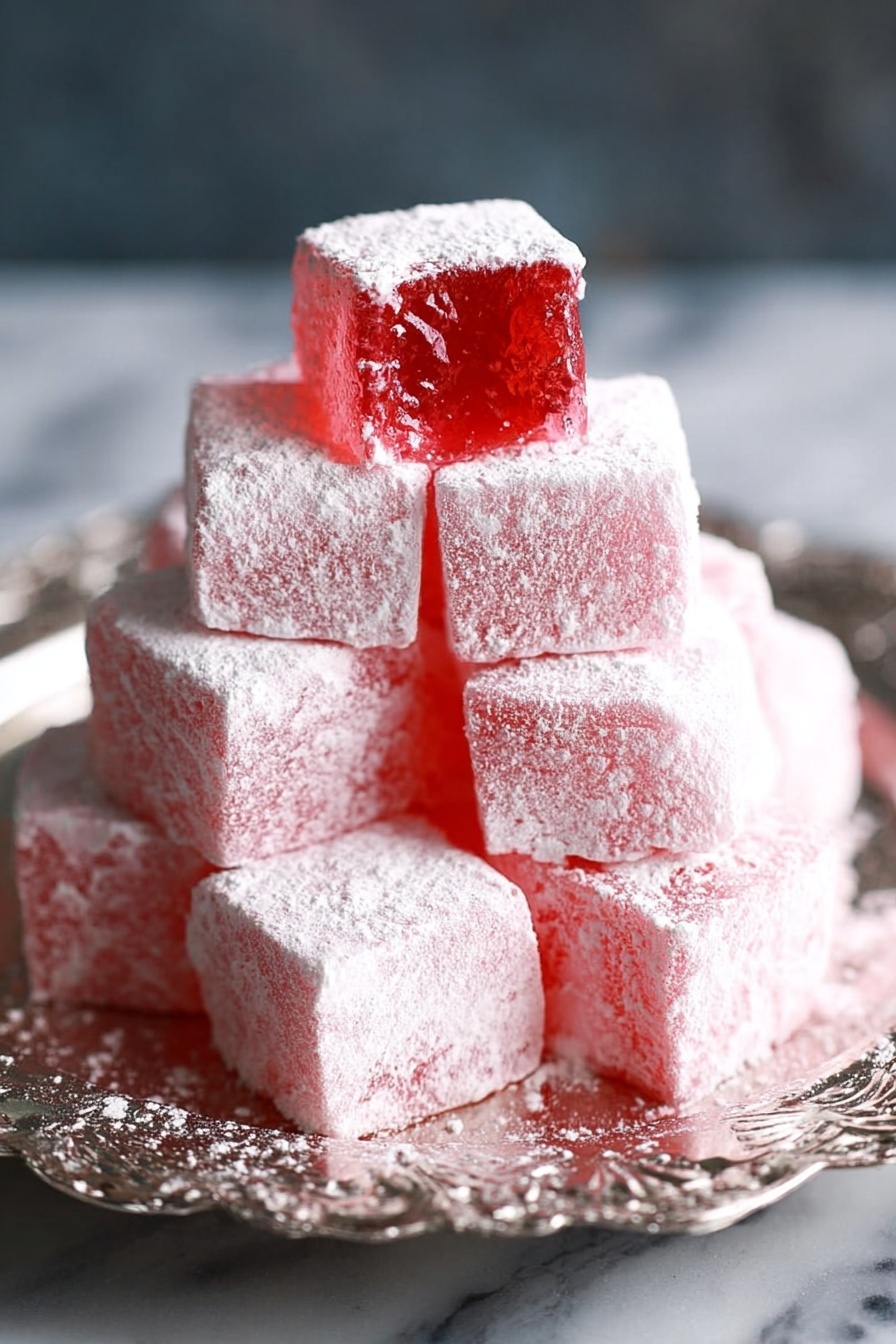
If you’ve ever tasted Turkish Delight and wondered how those soft, fragrant squares of joy are made, you’re in for a treat! This Authentic Turkish Delight Recipe is truly fan-freaking-tastic—I’ve spent quite some time perfecting it, and believe me, once you try it, you’ll understand why. It’s chewy, just the right amount of sweet, and infused with that subtle rosewater note that makes it truly special. Whether you’re making it for yourself or impressing friends, this recipe is the real deal.
Why You’ll Love This Recipe
- Authenticity: This recipe is true to the classic Turkish version, with rosewater and the right texture.
- Clear Instructions: Step-by-step guidance to avoid common pitfalls like sticky or hard lokum.
- Customizable Flavor: You can adjust rosewater or substitute extracts to suit your taste.
- Great for Gifting: The finished cubes make lovely, homemade gifts for holidays or special occasions.

Ingredients You’ll Need
The magic behind this Authentic Turkish Delight Recipe is in the simplicity and quality of the ingredients. Each one plays a unique role—from the cornstarch that gives it that signature chew, to the citric acid that balances the sweetness beautifully.
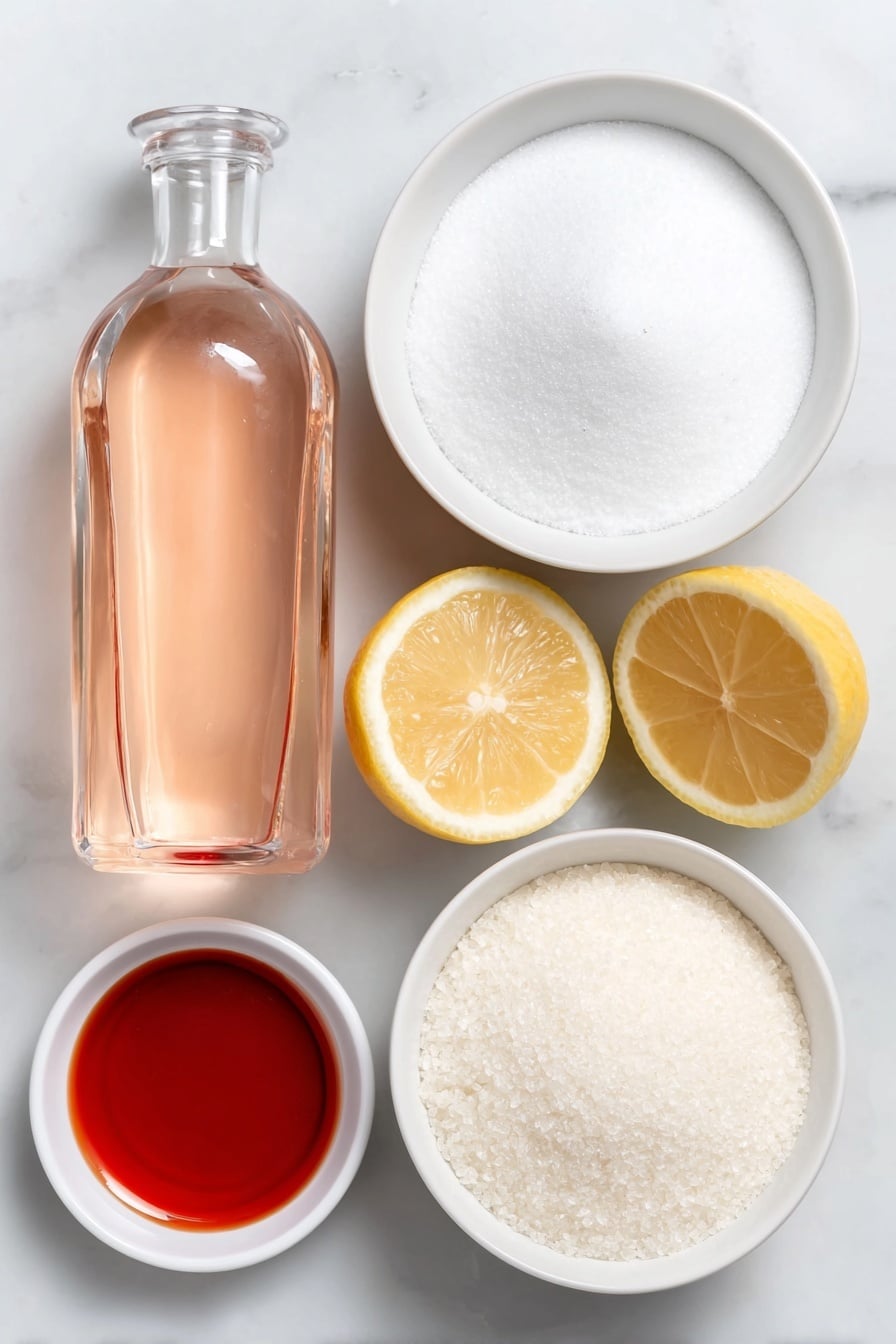
- White sugar: Use regular white sugar for clarity in syrup color and consistent texture; less processed sugars can throw off the cooking stages.
- Citric acid: Essential for perfect gelation; if you don’t have it, cream of tartar or lemon juice can substitute, but they’ll affect flavor slightly.
- Cornstarch: This thickens the mixture and creates that wonderful chewy texture everyone loves.
- Rosewater: The classic flavor of Turkish Delight—start with a small amount as it can be quite potent!
- Red food coloring: It’s traditional to give lokum that lovely pink hue; adjust according to your preference.
- Powdered sugar: Used with cornstarch for dredging so pieces don’t stick together.
Variations
One of the things I adore about this Authentic Turkish Delight Recipe is how flexible it can be. I’ve played around with different flavors and colors — and trust me, it’s totally okay to make it your own!
- Flavor swaps: I sometimes substitute rosewater with orange blossom or lemon extracts to surprise my family, and they love the twist.
- Nut additions: Adding chopped pistachios or walnuts inside the mixture before it sets gives a delightful crunch.
- Color variations: Instead of red, you can go green with mint or yellow with lemon for festive treats.
- Diet-friendly: For a vegan version, just double-check your gelation agents — this recipe is naturally vegan, but be cautious with flavor extracts.
How to Make Authentic Turkish Delight Recipe
Step 1: Make Your Sugar Syrup Just Right
Start by combining the white sugar, citric acid, and water in a heavy-bottomed saucepan. I love using a heavy pan because it evenly distributes heat, which is crucial here. Stir gently until the sugar dissolves, then crank the heat to high until it boils. Once boiling, lower to a simmer and keep an eye on the temperature—it needs to reach 250°F (the hard ball stage). This part can take anywhere from 15 to 30 minutes depending on your stove, so patience is key. If you don’t have a candy thermometer, try the cold water test: drop a bit of syrup into ice water—it should form a firm but pliable ball between your fingers. Trust me, this step is the heartbeat of your Turkish Delight.
Step 2: Prep Your Cornstarch Mixture
While the syrup is cooking, mix the cornstarch with water in a jar. Shake it up vigorously so there are no lumps—this smooth mixture will save you from ending up with grainy lokum. You can also whisk it well in a bowl if you prefer. Having it ready to go once the syrup hits temperature means you’ll keep things moving smoothly in the kitchen.
Step 3: Combine and Cook Until Perfectly Thickened
Once your syrup hits the magic 250°F, take it off the heat and slowly whisk in your cornstarch mixture. Keep whisking to fully incorporate—this is where the gel starts to form. Put the pan back on medium-low heat and stir continuously until the mixture thickens. When it’s thick but still pourable, lower the heat to a gentle simmer. I’ve learned to stir every 6-7 minutes during this part to avoid burning and sticking, which can be a real downer. This simmer phase takes between 1 and 2 hours, so this is where your patience pays off.
Step 4: Add Flavor, Color, and Let it Set
When the mixture is thick with a medium-dark amber tint (kind of a hint that good things are happening), remove it from heat. Stir in rosewater and your chosen food coloring. I go a bit heavy on the color because it fades slightly as it sets. Immediately pour into a greased glass container—oil works better than plastic wrap in my experience since it avoids creases. Let it sit at room temperature for at least 5 hours, but ideally overnight. This slow setting is what lets those incredible flavors and that perfect texture develop.
Step 5: Cut and Dredge for That Classic Finish
Once set, dust the top with cornstarch, carefully remove the slab, and sprinkle more cornstarch onto it. Use a sharp knife dusted with a little cornstarch to cut it into one-inch cubes. Then, dredge each piece in a mix of cornstarch and powdered sugar so that none of the pieces stick together. I promise this extra step makes a huge difference in the final texture—my family goes crazy for these bite-sized treats!
Pro Tips for Making Authentic Turkish Delight Recipe
- Use a Candy Thermometer: I can’t stress this enough—it’s the best way to hit perfect syrup stage every time.
- Gentle Stirring is Key: After thickening, stirring too vigorously can break down the starch, ruining the texture.
- Don’t Rush the Setting: Leaving your lokum to rest overnight is essential for that perfect chew and flavor.
- Oil Over Plastic Wrap: Using neutral oil in your dish avoids the creases plastic wrap leaves behind when setting.
How to Serve Authentic Turkish Delight Recipe
Garnishes
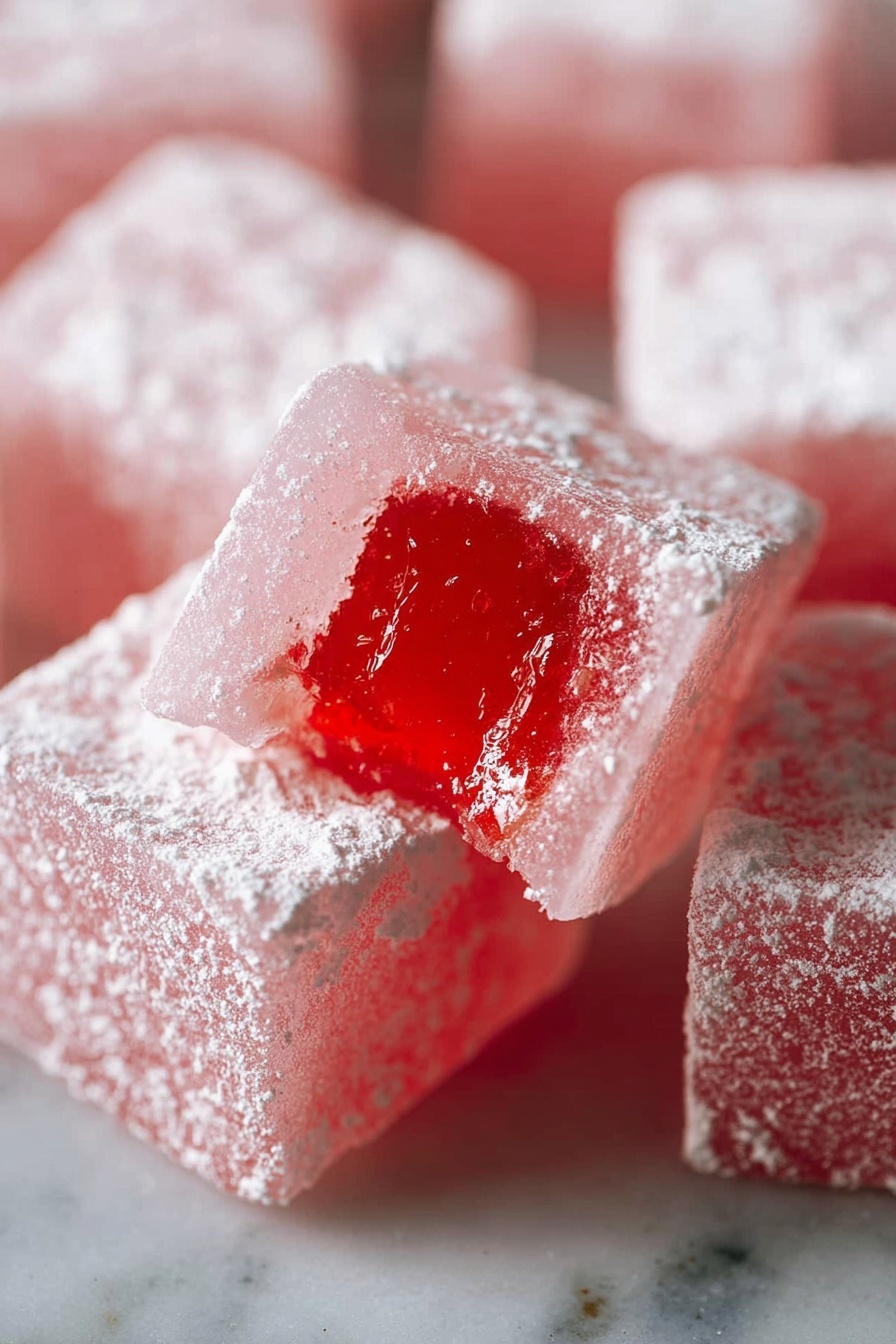
Personally, I love sprinkling a little extra powdered sugar over the cubes just before serving—it adds a prettier, snow-dusted look and keeps them from sticking together. Sometimes I dust with finely chopped pistachios for a splash of color and nuttiness. If you want to get fancy, a tiny edible rose petal on each cube looks stunning for parties or gift boxes.
Side Dishes
The classic Turkish combo that I swear by is serving your delights with a strong, freshly brewed Turkish coffee. The bitterness of the coffee pairs gorgeously with the sweetness of the lokum. I also like serving alongside some plain biscuits or crisp Petibör cookies, which add a nice crunch contrast.
Creative Ways to Present
I’ve gifted these in simple glass jars tied with satin ribbons—that’s always a hit! For celebrations, arrange the cubes on a decorative tray with piles of nuts or dried fruits scattered around. Another fun idea is layering different flavored and colored Turkish Delight cubes in clear boxes for a vibrant, colorful look.
Make Ahead and Storage
Storing Leftovers
I store leftover Turkish Delight in an airtight container layered with leftover cornstarch and powdered sugar mix to keep them from sticking. They’re best kept in the fridge in a cool, dry spot. Before serving, always bring them back to room temperature for that soft, chewy texture you want.
Freezing
Freezing Turkish Delight isn’t something I do often because the texture can change slightly—sometimes it gets a bit tougher. But if you have a lot, wrap individual cubes tightly in parchment before placing them in an airtight container. Thaw in the fridge and then room temp before enjoying.
Reheating
Since Turkish Delight is best enjoyed at room temperature, I just let leftovers sit out for about 30 minutes after refrigeration. It doesn’t need heating; reheating can actually ruin the texture, making it less tender.
FAQs
-
Can I use other flavorings instead of rosewater in this Authentic Turkish Delight Recipe?
Absolutely! Rosewater is traditional, but you can substitute with orange blossom, lemon, mint, or even almond extract depending on what flavor you prefer. Just be cautious with stronger extracts by reducing the amount to avoid overpowering the lokum.
-
What’s the best way to know when my sugar syrup is ready?
The best way is to use a candy thermometer and reach 250°F (hard ball stage). If you don’t have one, the cold water test works—drop a bit of syrup into cold water and it should form a firm but pliable ball. This stage is critical to get the right texture.
-
Why does my Turkish Delight get sticky or hard sometimes?
Sticky lokum usually means it wasn’t dredged well in the powdered sugar and cornstarch mix, or it’s too warm. Hard or tough texture often comes from overcooking or burning the starch mixture. Stir gently and don’t rush the simmering step to avoid this.
-
Can I use lemon juice instead of citric acid?
You can, but remember lemon juice will add flavor and acidity that might change the taste slightly. Use about 12 times the volume; for example, 1 tbsp lemon juice per 1/4 tsp citric acid. Cream of tartar is a closer substitute if you want to keep flavors neutral.
Final Thoughts
This Authentic Turkish Delight Recipe holds a special place in my kitchen and heart. The first time I made it, I realized homemade lokum is leaps and bounds above anything store-bought—fresher, tender, and perfectly fragrant. I know you’ll enjoy the process of making something so delicate and rewarding from scratch. So go ahead, grab your favorite flavoring, and treat yourself and your loved ones to these little squares of happiness. You won’t regret it!
Print
Authentic Turkish Delight Recipe
- Prep Time: 20 minutes
- Cook Time: 2 hours 20 minutes
- Total Time: 2 hours 40 minutes
- Yield: 40 approximately 1-inch cubes 1x
- Category: Dessert, Confectionery
- Method: Stovetop
- Cuisine: Turkish
Description
This Authentic Turkish Delight recipe from Narnia offers a traditional and fragrant sweet treat made from sugar, cornstarch, and rosewater. The delight is cooked slowly to achieve the perfect gel-like texture, infused with delicate rose flavor and adorned with cornstarch and powdered sugar to prevent stickiness. Perfectly paired with Turkish coffee or as a unique gift, this chewy confection is a classic taste of Turkey.
Ingredients
For Lokum:
- 350 g (scant 2 cups) white sugar
- 175 ml (3/4 cup) water (for syrup)
- 1.8 g (1/4 teaspoon) citric acid
- 70 g (1/2 cup + 1 tablespoon) cornstarch
- 500 ml (2 cups + 5 teaspoons) water (for cornstarch)
- 1 1/2 teaspoons rosewater
- 10 drops red food color
For Cutting:
- 30 g (1/4 cup) cornstarch
For Dredging:
- 80 g (2/3 cup) cornstarch
- 45 g (1/3 cup) powdered sugar
Instructions
- Prepare syrup base: Add sugar, citric acid, and 175 ml water into a heavy-bottomed pan and stir until the sugar dissolves completely.
- Cook syrup to hard ball stage: Bring the mixture to a boil over high heat, then reduce to a simmer and monitor closely with a candy thermometer until it reaches 250°F (hard ball stage), which takes about 15-30 minutes depending on stove heat. Adjust for altitude as needed.
- Make cornstarch slurry: While syrup cooks, combine 70 g cornstarch with 500 ml water in a jar and shake vigorously until smooth and lump-free, or mix thoroughly in a separate bowl.
- Combine syrup and slurry: When syrup reaches 250°F, turn off the heat and slowly whisk in the cornstarch slurry until fully incorporated.
- Thicken mixture: Turn heat to medium-low and whisk continuously until the mixture begins to thicken into a gel-like consistency within a few minutes.
- Simmer to gel: Lower the heat to low and simmer gently for 1 to 2 hours, stirring every 6-7 minutes to prevent sticking and splattering. Stir more frequently and watch for texture and amber color changes as it approaches completion.
- Prepare mold: Lightly oil a container (about 5in x 7in, less than 35 in² surface area) to prevent sticking of the Turkish delight slab.
- Check doneness: Look for a thick but not gloopy texture and medium-dark amber color after 1–2 hours. Stir more frequently near the end (about every 2 minutes).
- Add flavor and color: Remove from heat, stir in rosewater and red food coloring evenly, then pour mixture into the prepared mold and let cool at room temperature for at least 5 hours or preferably overnight.
- Cut and remove slab: Sprinkle 30 g cornstarch in the container, loosen and lift out the slab. Sprinkle more cornstarch on top.
- Cut into cubes and dredge: Slice the slab into approximately 1-inch cubes and dredge each piece in a mixture of 80 g cornstarch and 45 g powdered sugar to prevent sticking.
- Serve and enjoy: Serve your Turkish delight alongside Turkish coffee and water for an authentic experience. These treats also pair well sandwiched between plain biscuits and make wonderful gifts.
Notes
- Using a candy thermometer to reach the precise hard ball stage is essential for the correct texture. Without a thermometer, use the cold water test but be quick as the syrup heats fast past 220°F.
- Be gentle when stirring after the mixture gels to avoid breaking starch chains and thinning the mixture.
- Use a container smaller than 35 in² surface area to achieve proper thickness. Lightly oiling the mold helps release the slab, but plastic wrap can cause surface creases.
- Store Turkish delight in the refrigerator covered with leftover cornstarch and powdered sugar mixture. Bring back to room temperature before serving and consume within two weeks.
- Each 1-inch cube has approximately 45 calories, mainly from carbohydrates.
Nutrition
- Serving Size: 1 cube (approx. 1 inch)
- Calories: 45
- Sugar: 11 g
- Sodium: 2 mg
- Fat: 0 g
- Saturated Fat: 0 g
- Unsaturated Fat: 0 g
- Trans Fat: 0 g
- Carbohydrates: 12 g
- Fiber: 0 g
- Protein: 0 g
- Cholesterol: 0 mg

Your email address will not be published. Required fields are marked *